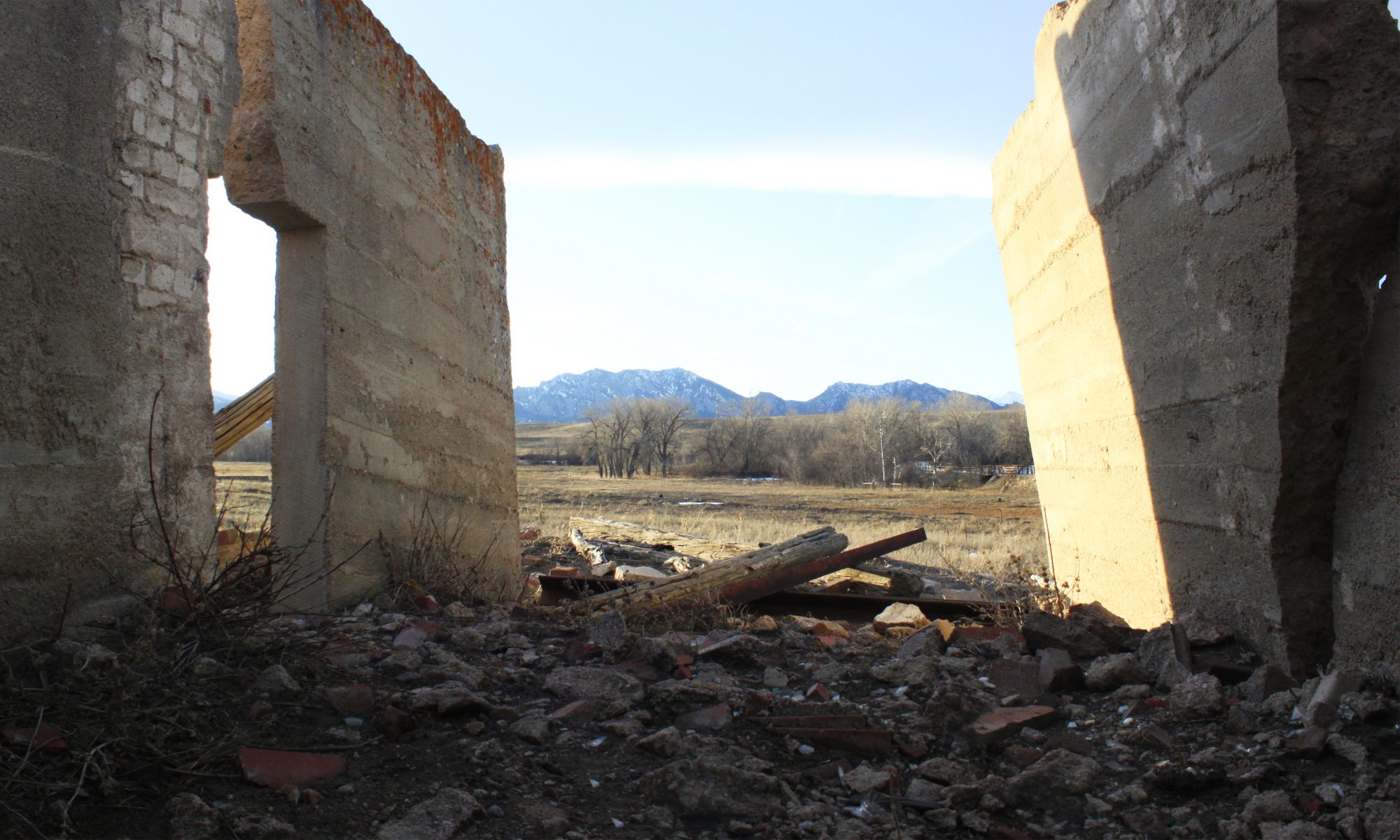
FCMoD is slightly unorthodox among museums since it has an extensive department dedicated to live animals. Having worked in that area before becoming the exhibit technician, I was very familiar with how to properly attend to each display.
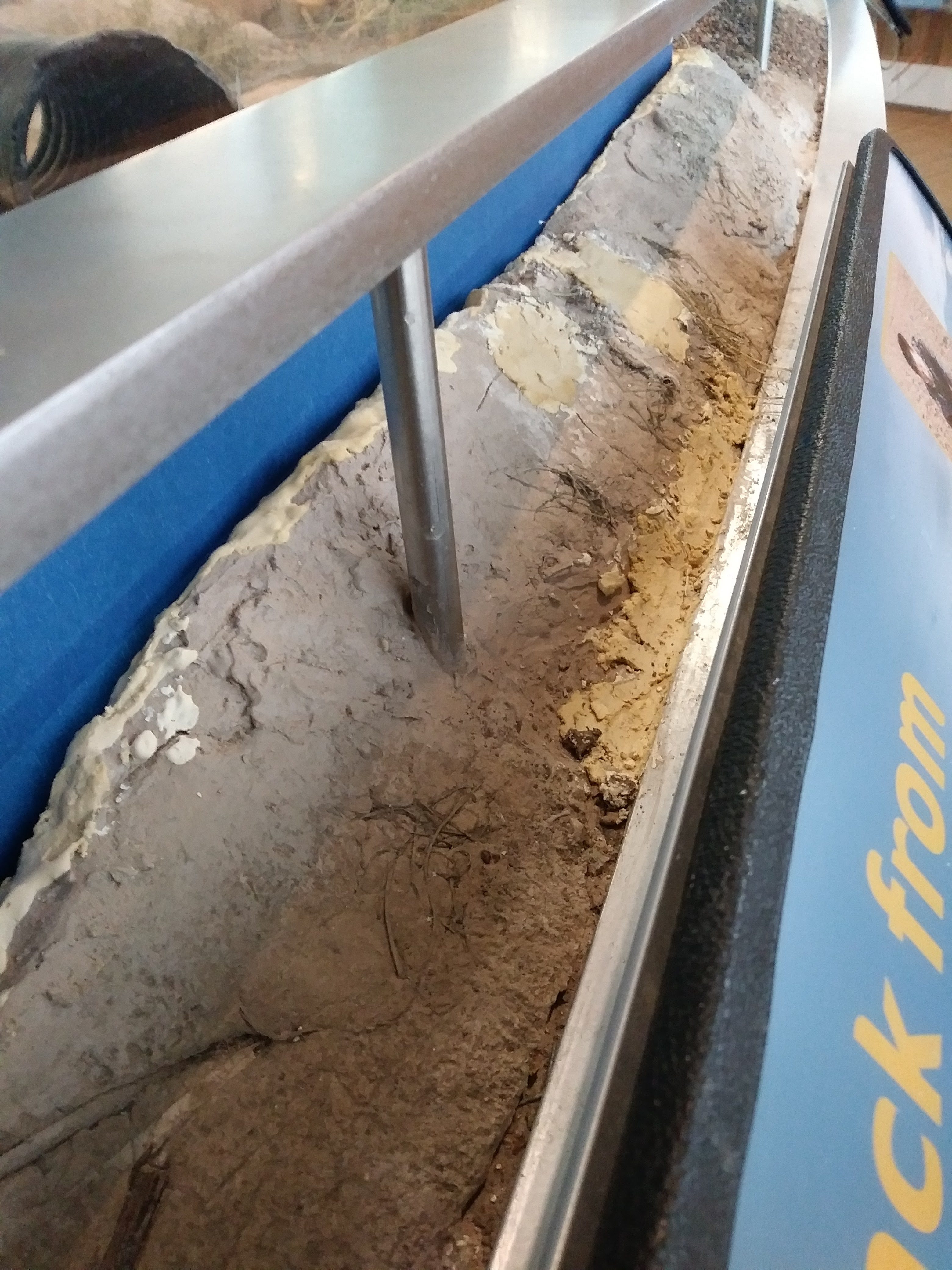
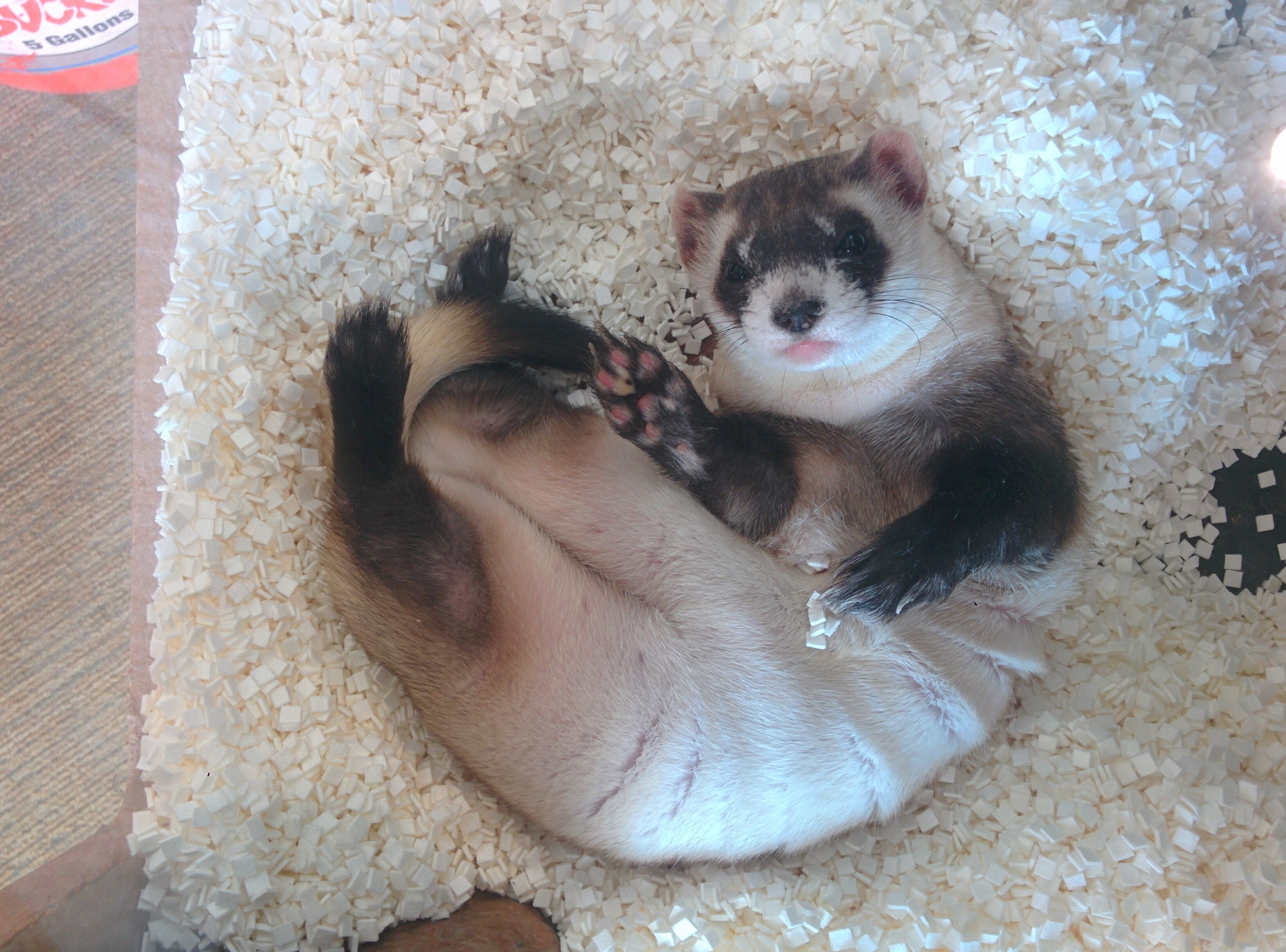
FCMod is the only museum in the world to house endangered black-footed ferrets, and their enclosures require delicate maintenance. The exterior and interior surfaces of the ferret compartments are frequently chipped away by visitors and the ferrets respectively. In order to repair these damages, I used a non-scented, non-toxic putty as a patch. The exterior portions of the enclosure blend into a wildlife diorama, and required me to paint over the patch so that it did not distract from the overall aesthetic. The ferrets were removed or confined during all these repairs.
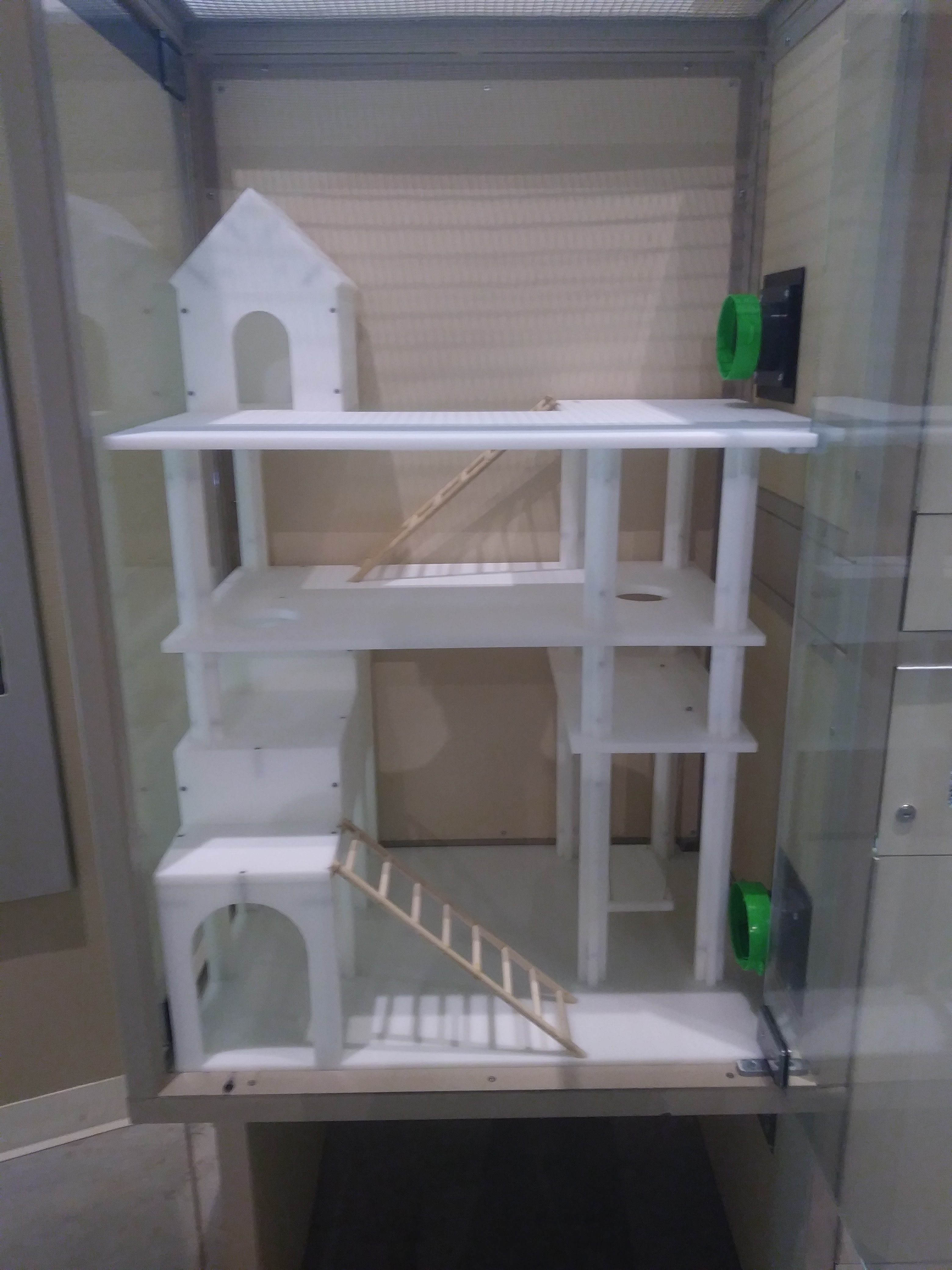
The museum also houses a large rat enclosure consisting of two terrariums connected by a series of tubes. Since the tubes hid the rats from public view, frequently fell apart, and were difficult to maintain, I designed and built a new structure to replace them. After drafting a blueprint in Google Sketchup, I built a full-scale MDF mock-up of the structure. After confirming the dimensions of my model, I ordered a 4′ x 8′ sheet of textured high-density polyurethane for the final product. After cutting the plastic into the appropriate pieces, I constructed and installed the new rat house, which proved very popular with the animals and the visitors.
Click here for more photos of the rat house design process.
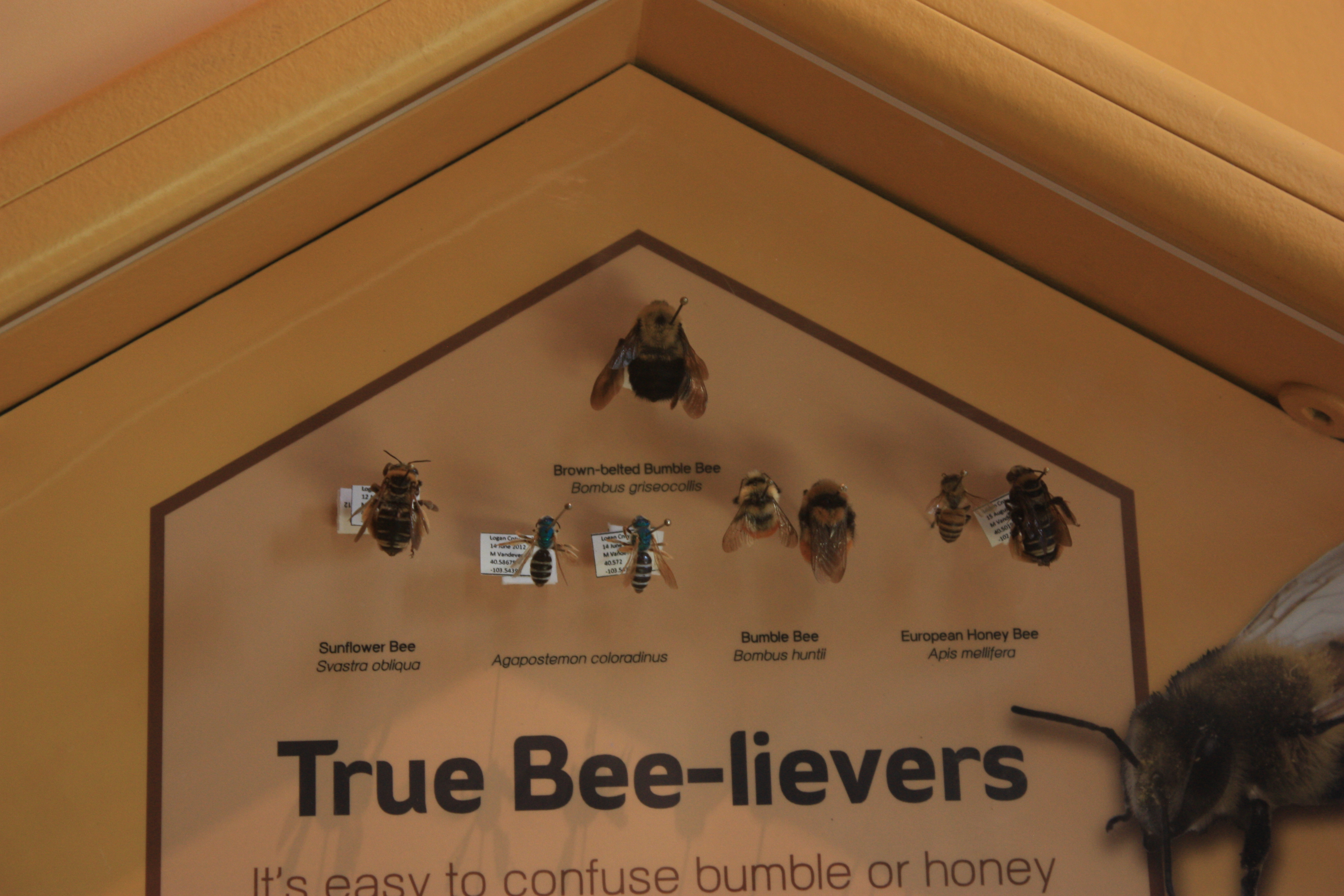
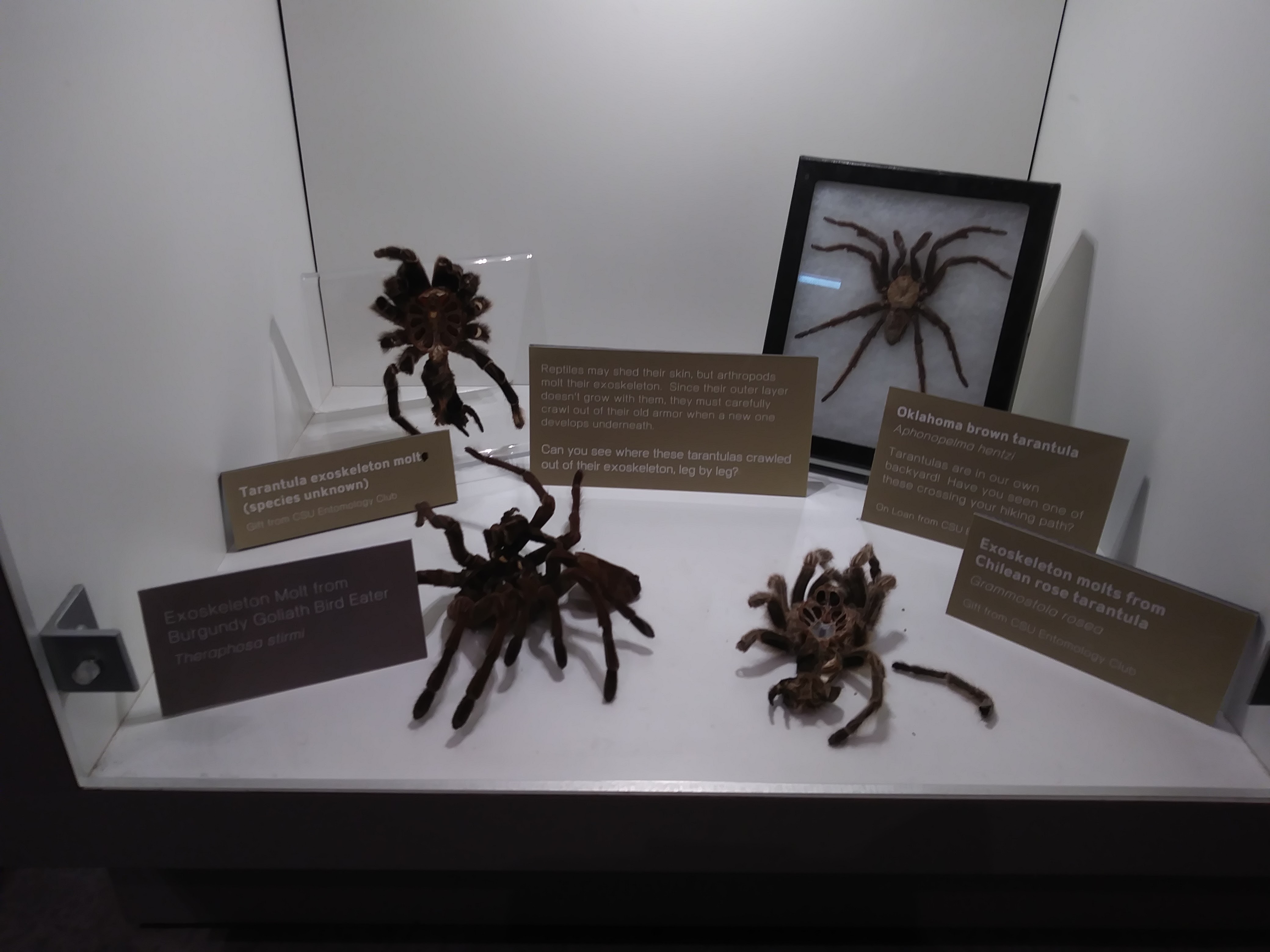
Despite its name, the Live Animal area also contains several dead arthropod exhibits. Working with the museum’s collection curator and the entomology department at Colorado State University, I procured several bee and wasp specimens to replace some of the deteriorated ones on display. I also enriched our collection of tarantula specimens by acquiring a Goliath bird-eater exoskeleton from a third party.