Grant Proposal
One of my primary goals in this internship was to improve my grant-writing skills.I had a rudimentary familiarity with how to write a grant proposal for a small museum, but lacked knowledge regarding standard formatting structures,rhetorical strategies, and what relevant information to prioritize. Furthermore,my previous grant experience centered around local grants like those offered by the Bohemian Foundation in Northern Colorado. During my time in the CSU Archaeological Repository, Archaeological Collections Coordinator Jeannine Pedersen-Guzman tasked me to help her prepare a proposal for the National Endowment for the Humanities’ Sustaining Cultural Heritage Collections grant. This grant primarily assists humanities institutions in the planning and implementation of sustainable preservation strategies in order to lengthen the lifespan and utility of their collections. As a national grant, the SCHC promised much competition, so great attention to detail was required. On average, only sixteen out of seventy applicants succeed in attaining it every year.
Jeannine seeks to professionalize the Repository, organizing it and improving its preservation abilities. These were the first steps towards making the Repository less of a storage space and more of an institution accessible to students and outside researchers. The objective of her grant proposal was simple: obtain new archival boxes to replace the corrosive, decades-old cardboard containers that currently housed the collections. These high-quality boxes are very expensive, often costing nearly $100 for a small pack of them. Jeannine applied for the SCHC earlier in the year and but did obtain it. She asked me to figure out how to improve her initial proposal and to draft a detailed outline that she could adapt for her next application and even potentially modify for other NEH grants.
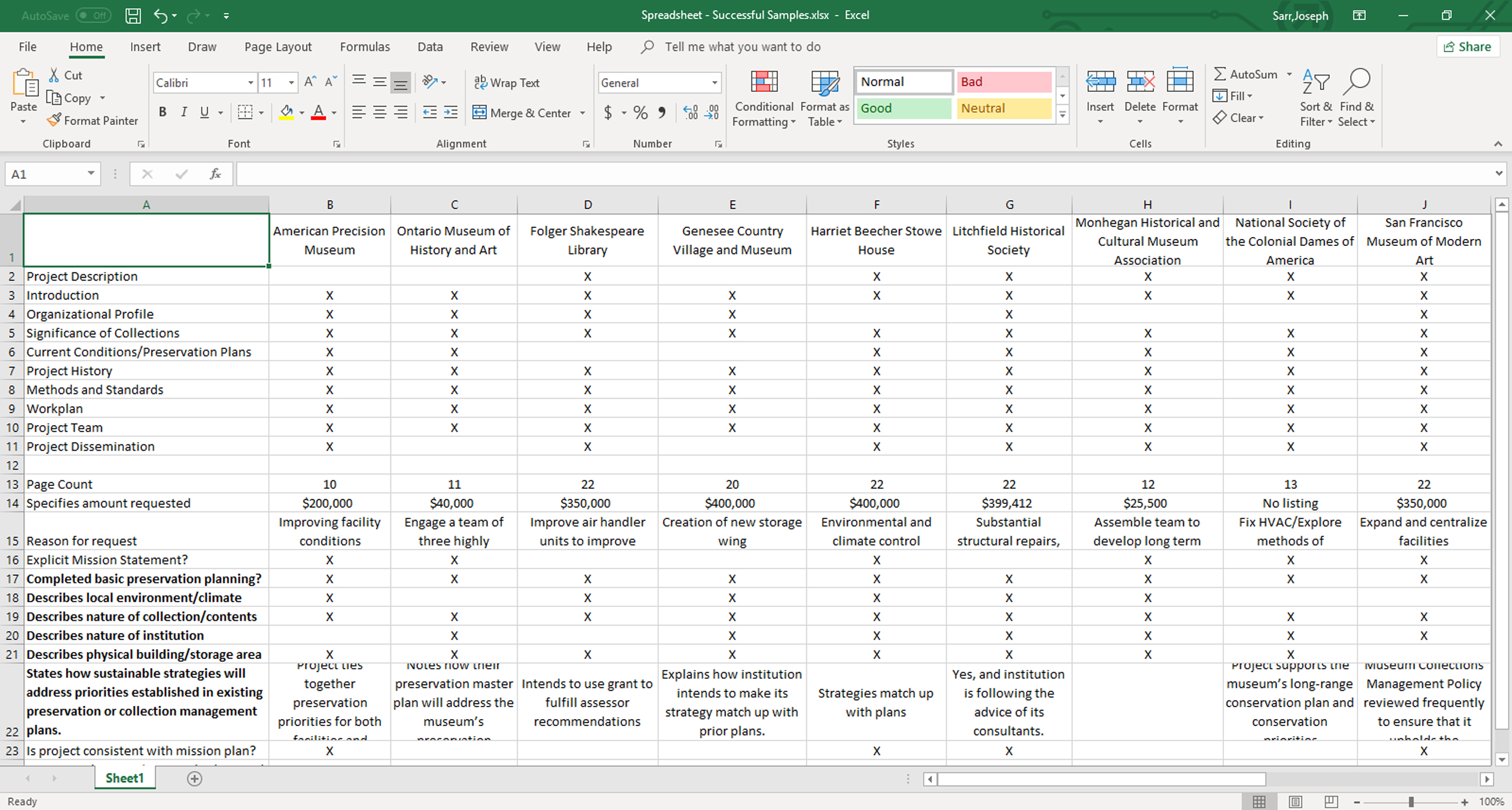
While I read Sonya Lovine’s Taking Public History for Granted to refamiliarize myself with the process of writing for the NEH, Jeannine recommended that I examine and dissect previously successful applications to determine why they were accepted. I dedicated a few weeks to methodically breaking down every sample proposal on the SCHC’s webpage, taking note of how each was structured, which points they emphasized, and what elements they had in common. I constantly referred back to the SCHC’s core application requirements,which mandated that applicants prioritize evidence that they had completed basic preservation planning before requesting assistance. By assembling a spreadsheet of all the commonalities shared between nine of the most extensive sample proposals, I noticed that all of them followed a similar organizational format, thoroughly described various aspects of their preexisting preservation plans and management policies, and neatly tied those plans back to their institutional mission statements. In their conversations with the NEH, these authors made sure to leave no ambiguities regarding how they intended to use the grant money or in their demonstrations of the necessary preparations they made to facilitate the project. At the core of every proposal was an exhaustive and clearly stated explanation of how the project would ensure effective and sustainable long-term collections preservation.
After I had studied the successful proposals at length, Jeannine gave me a copy of a SCHC grant proposal she had written in 2014 for the collections at the Dr.John D. Cooper Archaeological and Paleontological Center in California. This application was not successful, but Jeannine had me critically assess it as I had with the other NEH samples. After showing her my annotations, most of which critiqued the application’s lack of detail regarding project methodologies and sustainable preservation strategies, she presented me with an evaluation document from an NEH panel featuring various critiques of the proposal from official reviewers. I was pleased to notice that many of their observations mirrored the ones I made for the John Cooper Center application, and I tried to avoid repeating the same mistakes in my draft.
Jeannine’s previous application for the Archaeological Repository gave a basic overview of the collections’ contents and explained how she planned to implement the archival boxes, but it did not appear to provide adequate information on preliminary preservation planning and sustainability. The SCHC grant favors applicants who demonstrate a thorough awareness of the potential causes of deterioration as well as ways to address the problems without violating the values of the institutional mission statement. In preparing my proposal outline, I combined information gathered from two highly-detailed assessment reports made by professional conservators that October with my own critical observations to produce an extensive overview of the Repository’s preservative qualities and the physical status of its storage boxes. Jeannine supplemented my input with predictions on how the sealed and durable archival boxes would negate the multiple atmospheric and environmental issues caused by the Repository room’s structural flaws.
My final product is a dense outline that meets the core requirements mandated by the Sustaining Cultural Heritage Collections grant. I have completely replaced the previous proposal with an organizational format that follows NEH standards,though I included and altered some of the institutional background material provided in Jeannine’s original application. I could not access sensitive information regarding budgetary costs and projected expenses, but have left indications of where such data should go in the final proposal. Other specific information regarding the identities of notable board members, volunteers, and staff members must also be included. As it is, much of the text in my outline can be lifted and easily incorporated into a final application. Jeannine is very pleased with how the outline resulted and plans to use it a template for her upcoming proposal. I have learned much about how to write a national grant by not only subjecting multiple successful and unsuccessful proposals to close scrutiny,but also by dedicating time to constructing my own outline from scratch. Given more time, I would like to write a fully formed application and understand more about the submission process. However, I think learning and mastering the general structure and composition of grants is a vital first step in that direction.
Repository Consolidation
The very first major project I took part in was the consolidation of the Repository in Clark A-22. Although the central Repository room is in the basement of the Andrew G. Clark building,many of its associated collections lie scattered around CSU. Dr. Jason LaBelle and Jeannine Pedersen-Guzman have gradually gathered these materials into roomA-22 whenever they find new space. If the Repository is going to become more accessible for researchers from outside the Department of Anthropology, the collections need to be centralized and easy to find. Shortly after I arrived in late August, Jeannine tasked me with bringing the artifacts from the Kaplan Hoover bison bone bed into the main collections space.
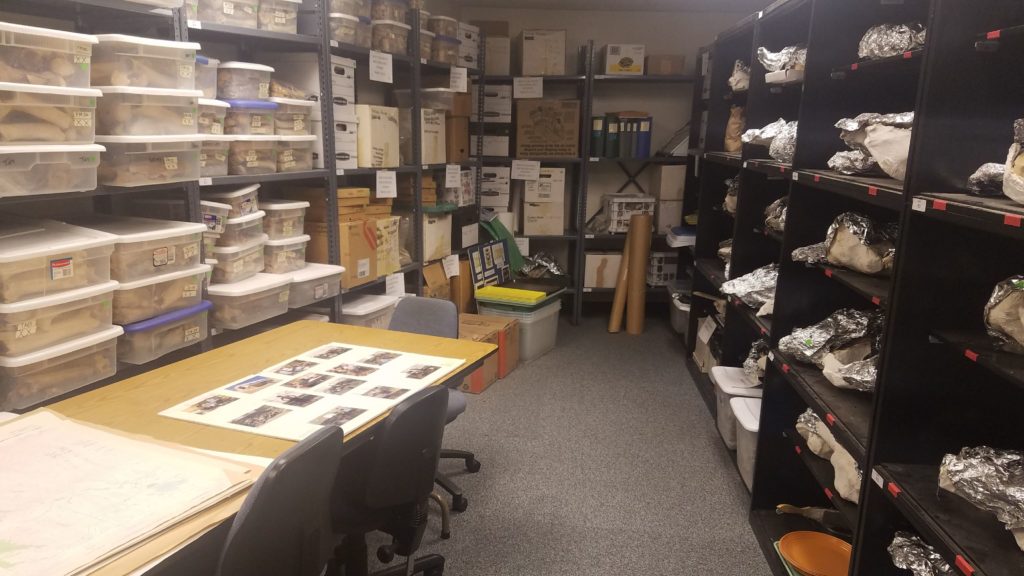
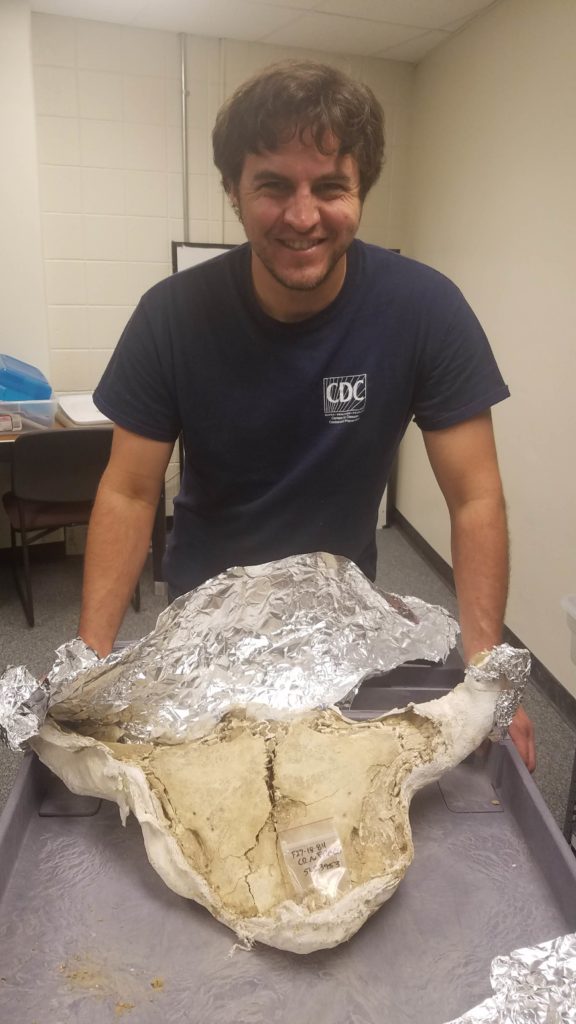
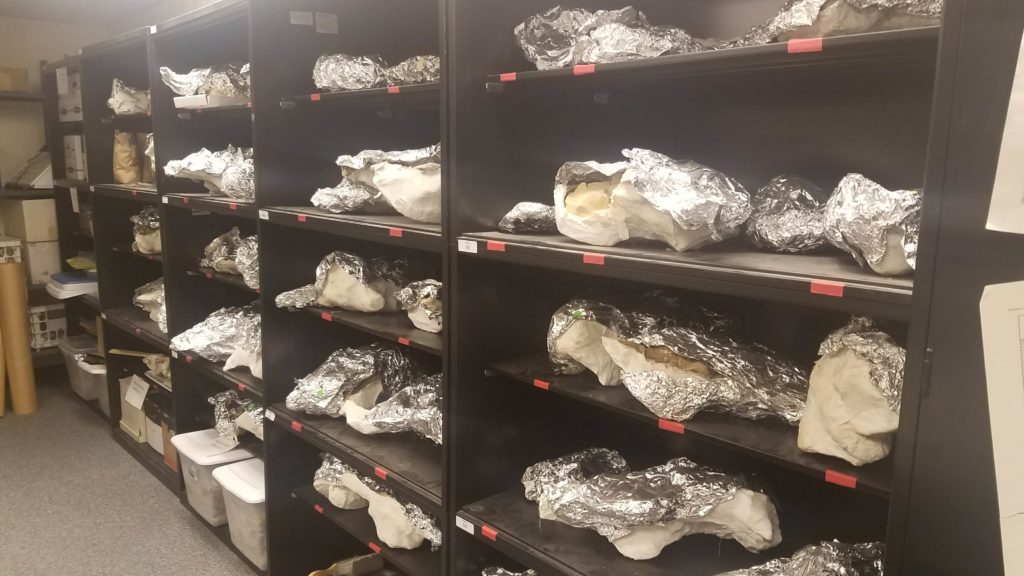
The Kaplan Hoover collection consists of several dozen bison antiquus skeletons that were gathered in the 1970s. Since that time, the specimens have mainly resided in a small backroom in the rear of the Clark building. Although the skeletons are disassembled and the bones are enclosed in boxes, moving the objects was not a simple task. The fragile bones lacked any insulating material whatsoever and necessitated great care when moving them. More concerning were the collection’s forty-odd bison skulls, some of which had decayed due to age and the room’s lack of climate control. Aside from the original archaeological plaster, the skulls had no insulation either, only a flimsy covering of tinfoil.Because of these drawbacks, I had to handle these heavy and unstable objects with great care, making sure to only transfer two at a time on a flatbed cart.
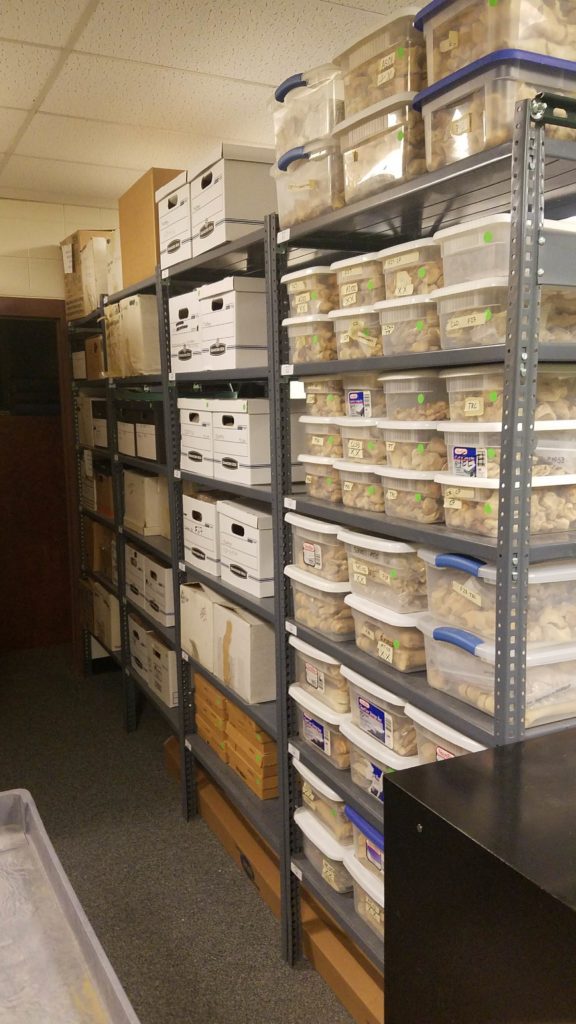
Unloading the bones in the Repository was a much easier affair than getting them out of the old space. Before emptying the old room, I assembled metal shelves throughout room A-22 to make room for the incoming objects. Although the transfer process had some challenges, it was not terribly difficult. However, in the future I will take more preparatory steps before acting. Delicate objects like bones should have proper insulation and should also ideally be stored in something more secure than a large Tupperware container. A roll of light foam or shelf liner is also recommended when storing bones or skulls. I placed the bison skulls directly onto metal shelving, which could potentially damage some of the more exposed parts of the objects. Conservators who assessed the collections in late October made the same observations. Jeannine plans to incorporate such recommendations in the future, but for now at least all of the Kaplan Hoover bones and skulls are centralized within the Repository and easily accessible for anyone to research.
Cataloguing a Collection
While grant work occupied much of my time outside of the Repository, most of my “in-class” activities helped improve my collections management and database maintenance skills. In late August 2018, I set to work bringing the existing collections database into alignment with the Guidelines and Standards manual instituted by Jeannine and Dr. LaBelle earlier that month. Since the Repository contains over fifty years’ worth of excavations and field school materials, much of it is very unorganized. The archaeologists and students who have contributed to the collections have never operated with keeping a uniform system of collections management in mind, so many of the Repository’s objects and documents are either unrecorded in the collection database or are organized according to their own idiosyncratic classifications.

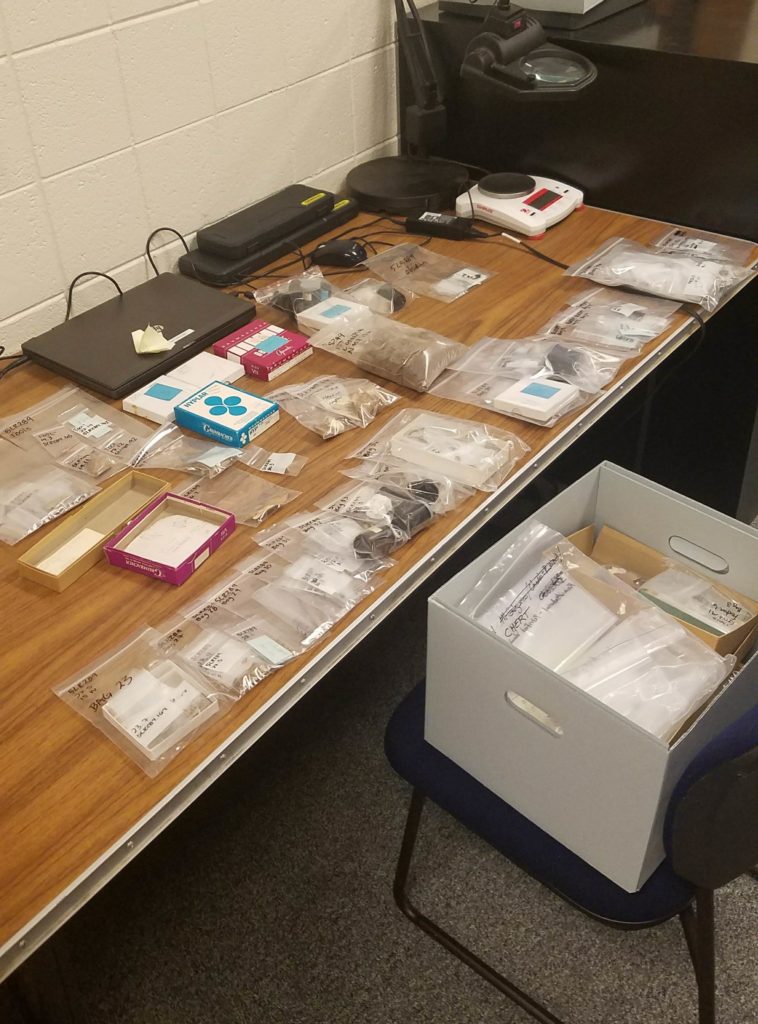
To gain experience bringing a highly disorganized collection up to code, Jeannine had me work with artifacts from the Killdeer Canyon excavation site. The collection consisted of several boxes filled with hundreds of tiny stone flakes,projectile points, ceramic shards, soil samples, and charcoal bits that were gathered during field schools in the 1970s and 1980s. Although everything was messily mixed together, roughly half of the contents were digitally catalogued.Unfortunately, the archaeologist who created the catalogue invented her own filing system that did not align with the new Repository standards.
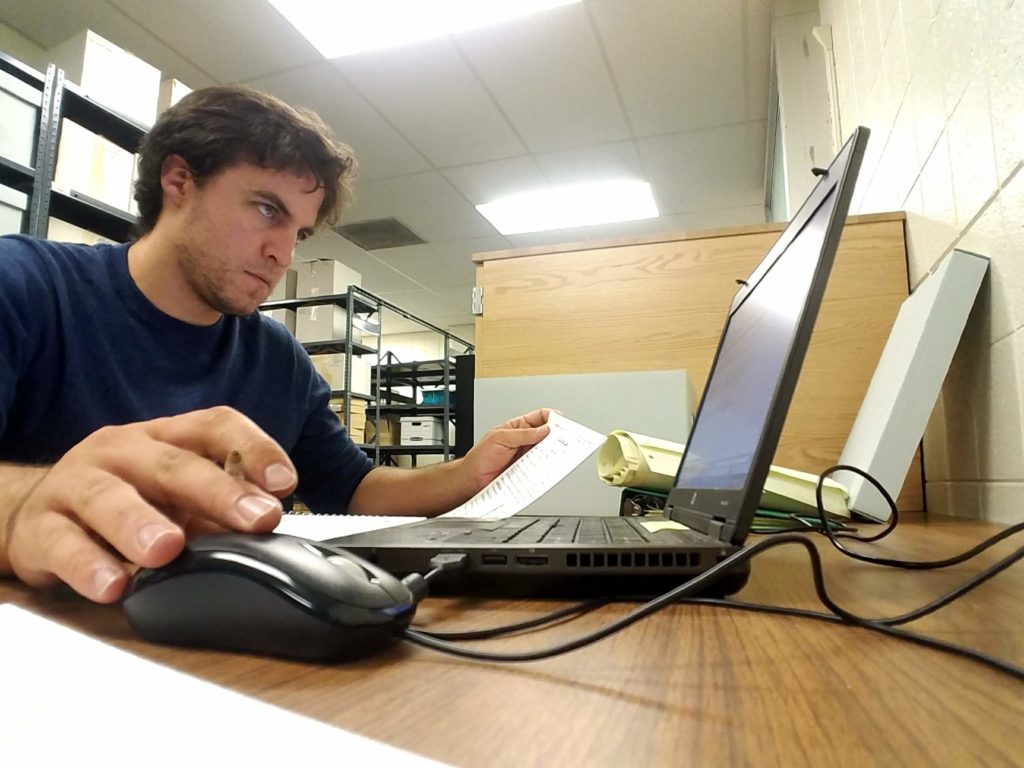
The process of reorganizing and digitally cataloguing hundreds of poorly classified objects was slow enough, but I was also unfamiliar with many of the anthropological and archaeological terms used to categorize them. Thankfully the Repository’s ever-present groups of anthropology interns taught me the meaning of terms like debitage and dendritic inclusion and how to identify them. Paul Bourcier’s Nomenclature 4.0for Museum Cataloging also proved a very helpful resource for learning the proper vocabulary to catalogue unfamiliar or ambiguous objects with. Jeannine and Dr. LaBelle’s guidelines are designed to provide as much specific information as possible on the physical characteristics of an object, as well as site data regarding the excavation location. Most of the Killdeer Canyon artifacts had available geographical coordinates, but usually lacked any accompanying physical information like measurements or quality assessments.
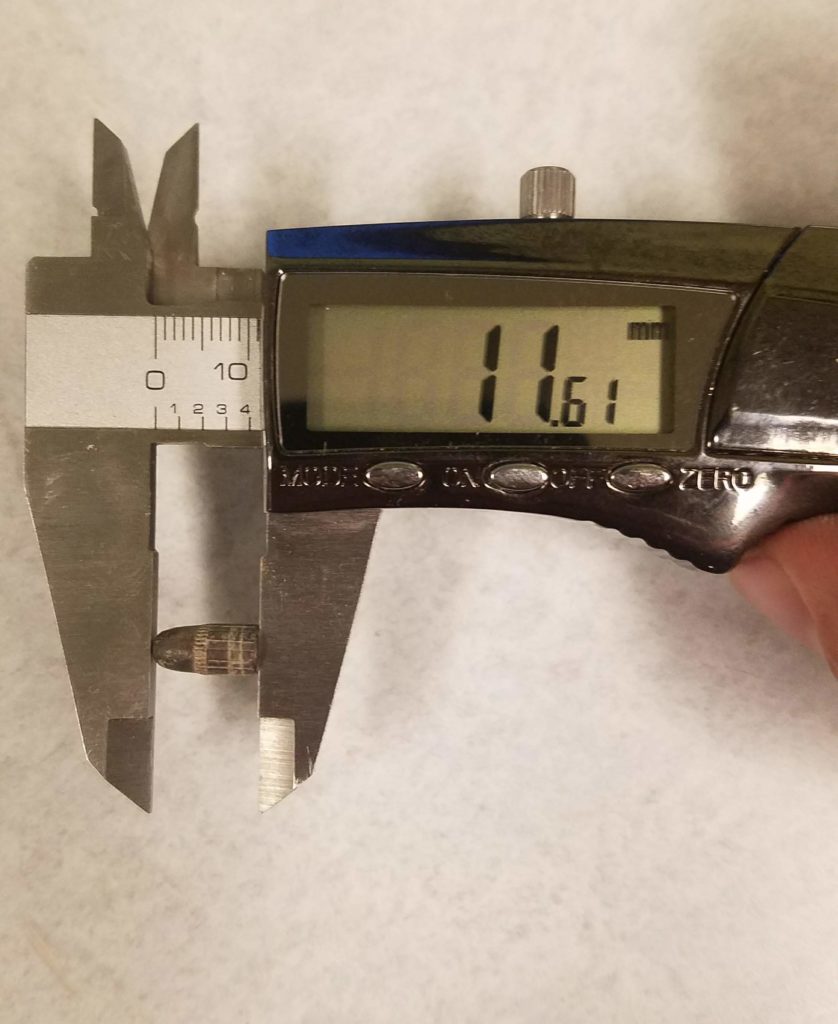
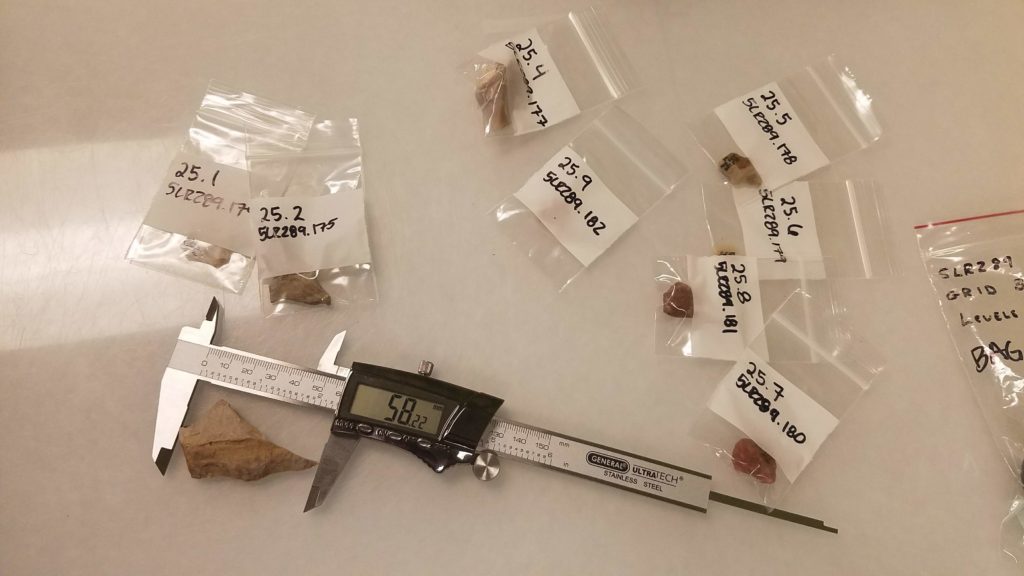
I individually analyzed every single object from the Killdeer site, bagged artifacts, and noted any physical deterioration. Although the original archaeologist had assigned several objects original accession numbers, she applied them inconsistently and often repeated herself. I unified the collection by simply re-cataloguing everything into one accession series. Jeannine had me enter all of my information on an Excel document designed to resemble the format of an ICMS database, which she hopes to introduce into the Repository into the near future. I finished all my work during the final week of school and am very pleased with the results. Everything from Killdeer Canyon is now immaculately organized and condensed within three boxes. Although this was a fairly time-consuming project, it did acquaint me with anthropological artifacts more thoroughly than I had previously experienced. As a historian, I find it very refreshing to learn more about the closely related but vastly different worlds of archaeology and anthropology and believe that projects like this can potentially encourage a more interdisciplinary approach to both fields. I was also happy to get a much more hands-on experience in classifying and analyzing objects than I had received during my tenure in Rocky Mountain National Park.
