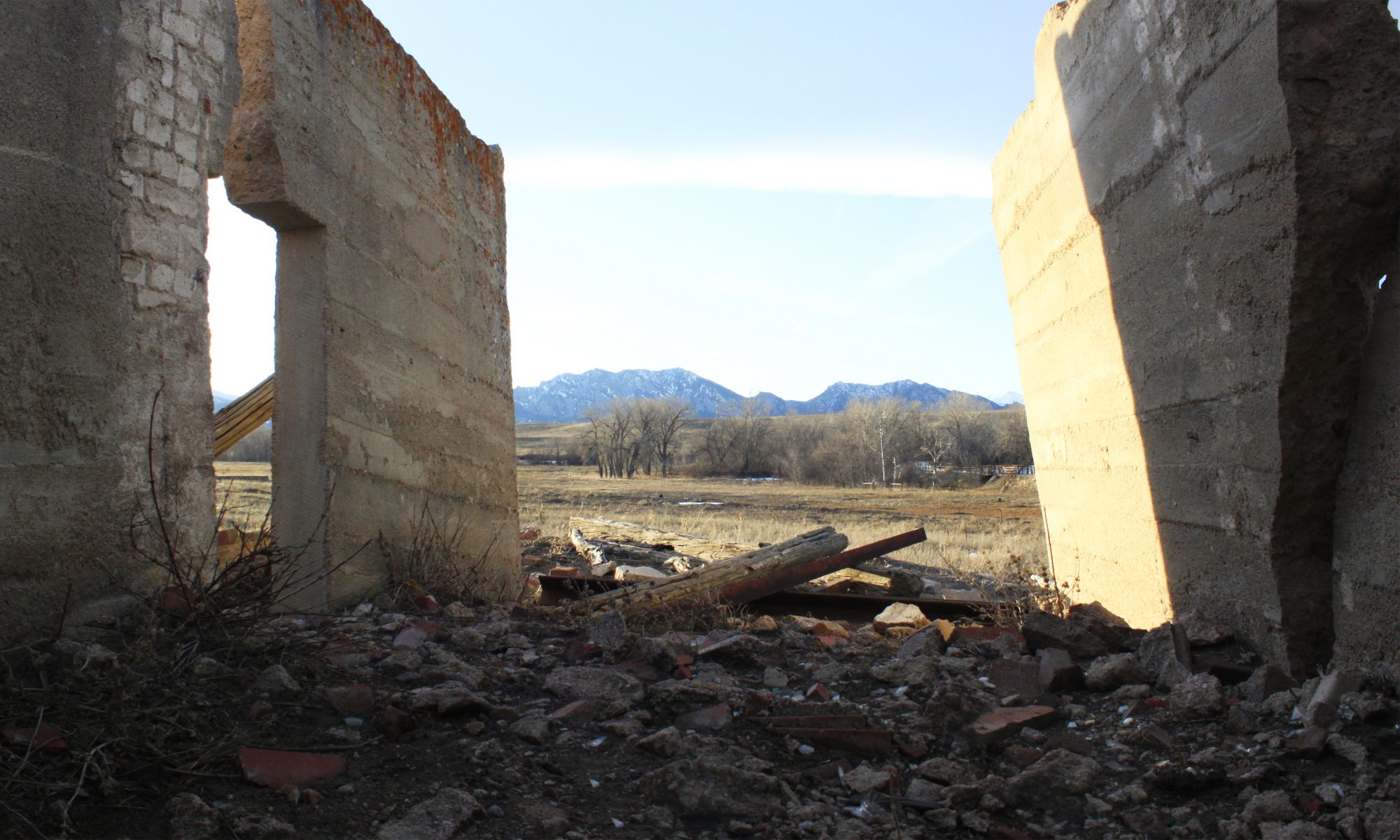
Rocky Mountain National Park Museum Specialist Internship Project Portfolio
Research Permit Collection:
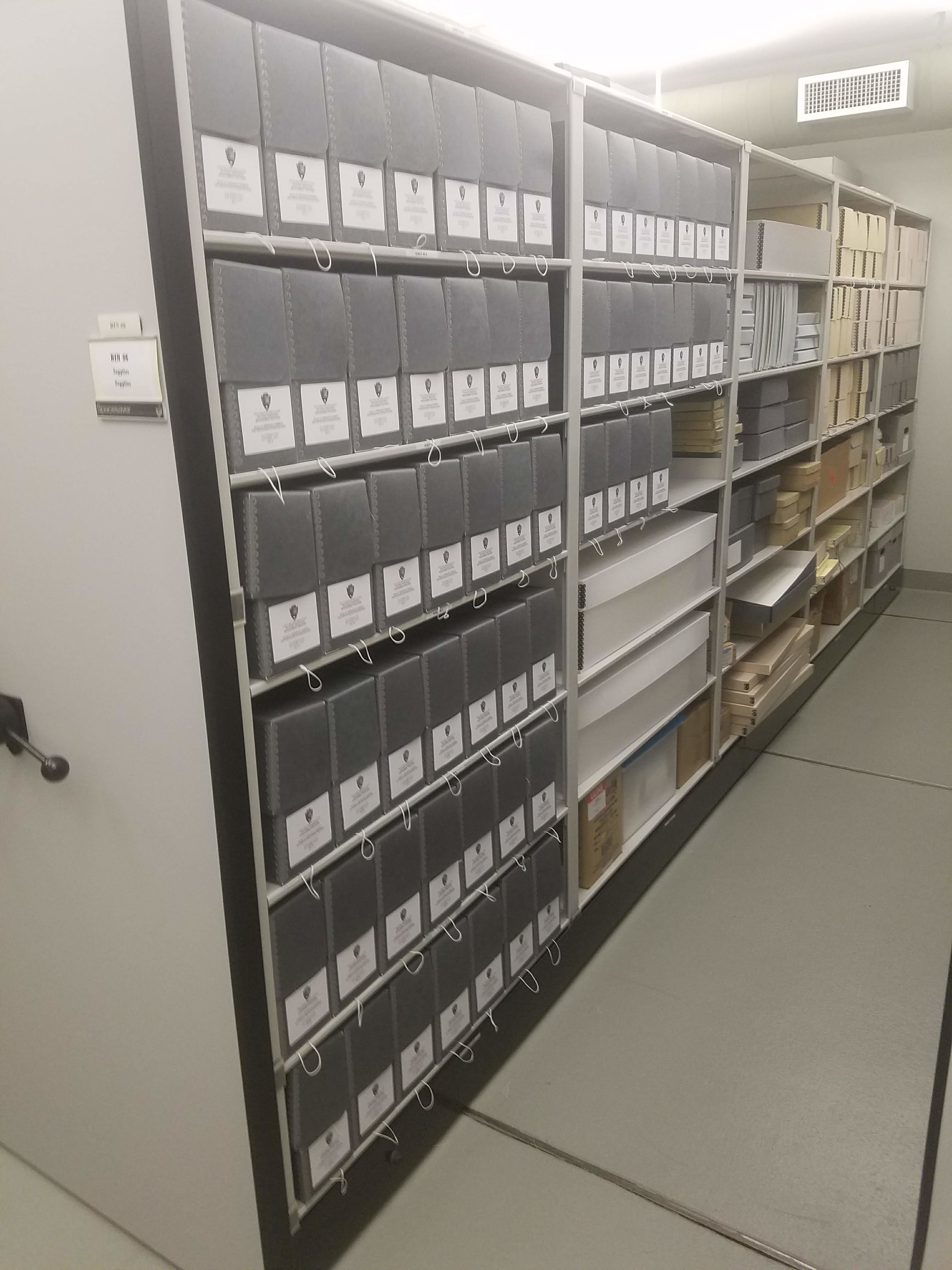
My primary project during my internship at Rocky Mountain National Park was the organization of the museum’s archival research permit collection. The area’s rich cultural history and unique environment give the park great potential as a center of archaeological and scientific research, and it has proven especially popular with university students throughout its existence. Rocky Mountain works closely with researchers, often requiring them to submit copies of their findings for park records. After any given project is completed, the park’s copies are eventually filed away in the museum collection. Despite the enormous potential of these files as sources of information for future researchers, they remained largely inaccessible to the public for years. My task was to condense these records from throughout the collection, catalog them, and enter my findings into a digital database. This information will be instrumental for future plans to share the contents of the database with the public.
Some archived projects date back to the 1960s and 1970s, but the majority of the collection stems from the early 2000s to the present. In addition to correspondences, research data, and final reports, many file folders also contain research applications and annual investigator reports which clearly state the intentions and progress of a project. Post-2001 files generally contain more complete records, a reflection of the park’s adoption of a research permit system. By issuing official permit documents to researchers, the park ensured greater consistency and organization in its record keeping. Each permit lays out the scope of a project and provides valuable metadata in the form of permit numbers. These numbers list project dates and the names of principal investigators and thereby allow for easy identification and reference.
Curator Kelly Cahill, knowing the scholarly importance of these documents, ultimately aims to make them more accessible to researchers via a finding aid on the National Park Service webpage. Rocky Mountain National Park is currently shifting towards an entirely digital format for its future permits, but much work was needed in order to make its stores of older, inactive permit files more available. Many of these documents were initially stored away throughout the collection and were only organized by their accession numbers. Some were even stored offsite in the office of the Park Research Coordinator, mixed in with files of active projects.
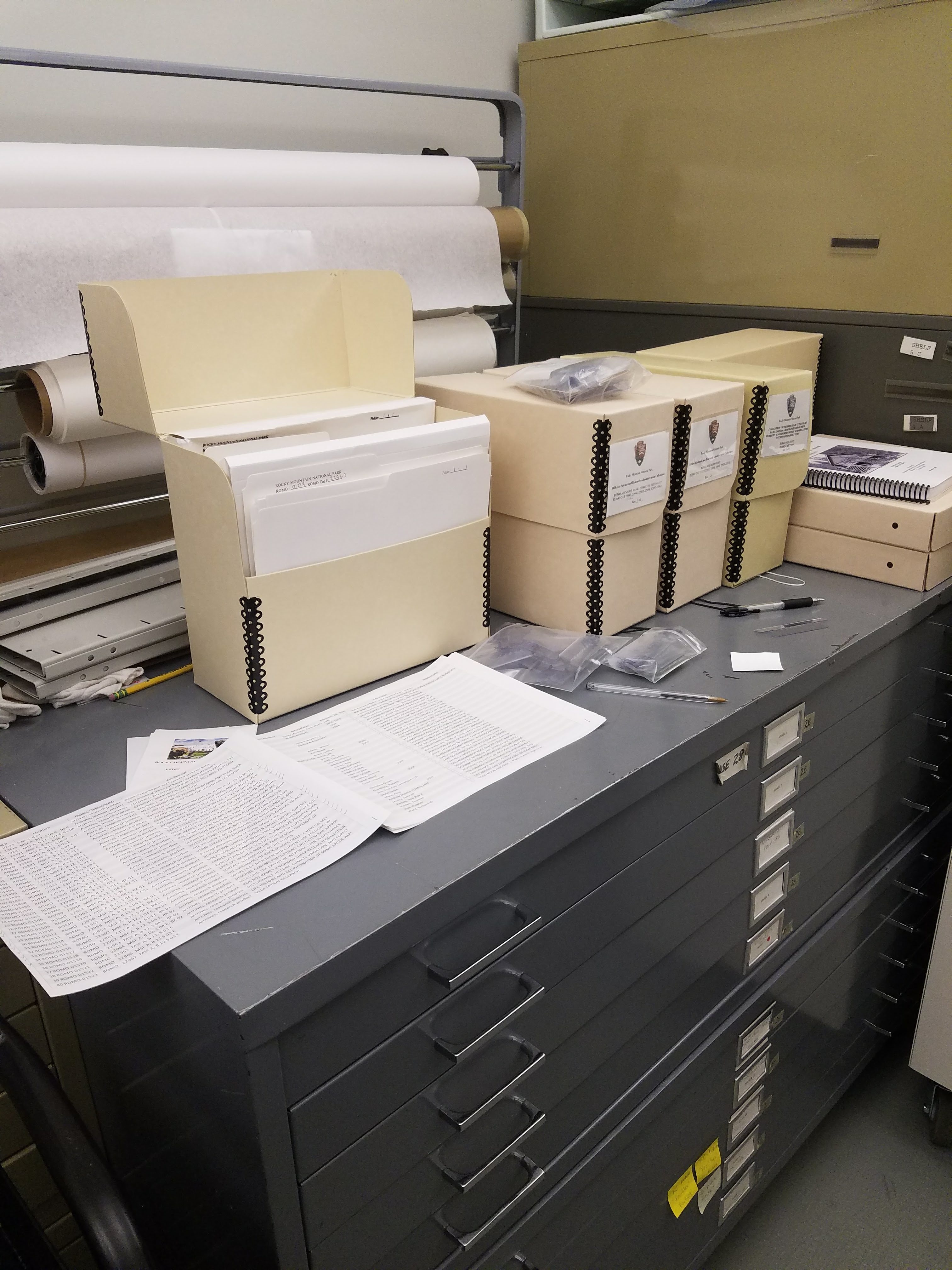
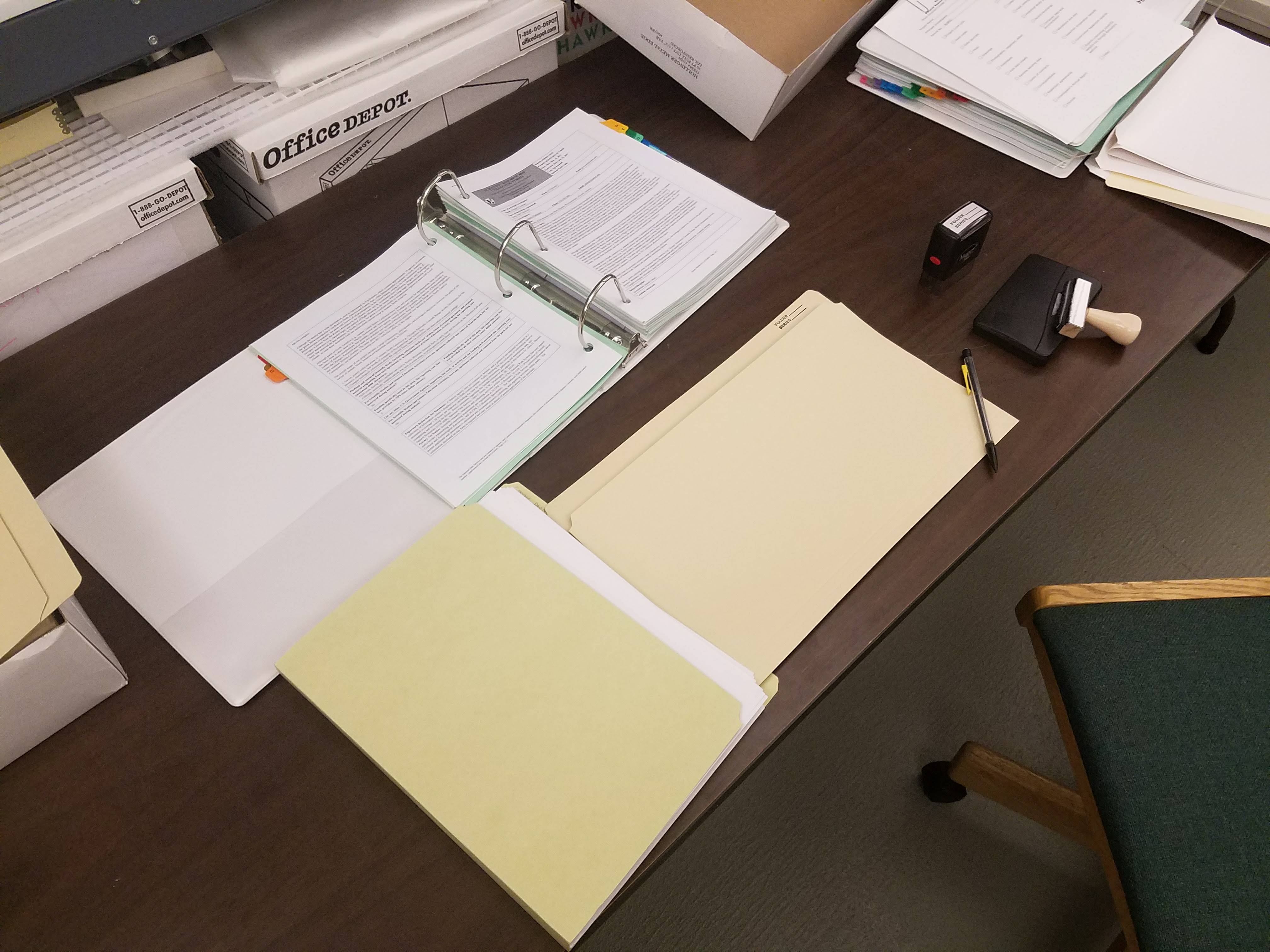
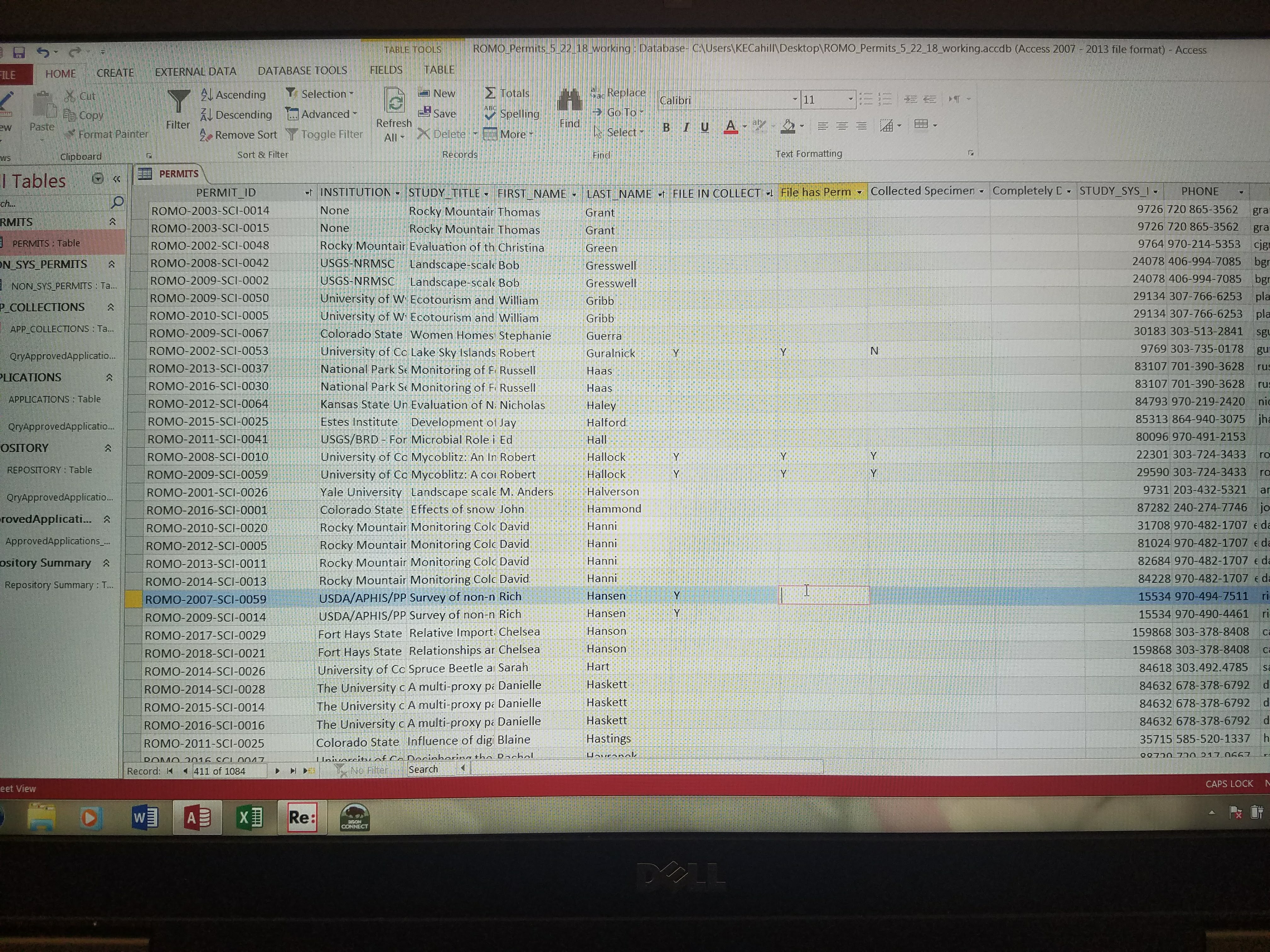
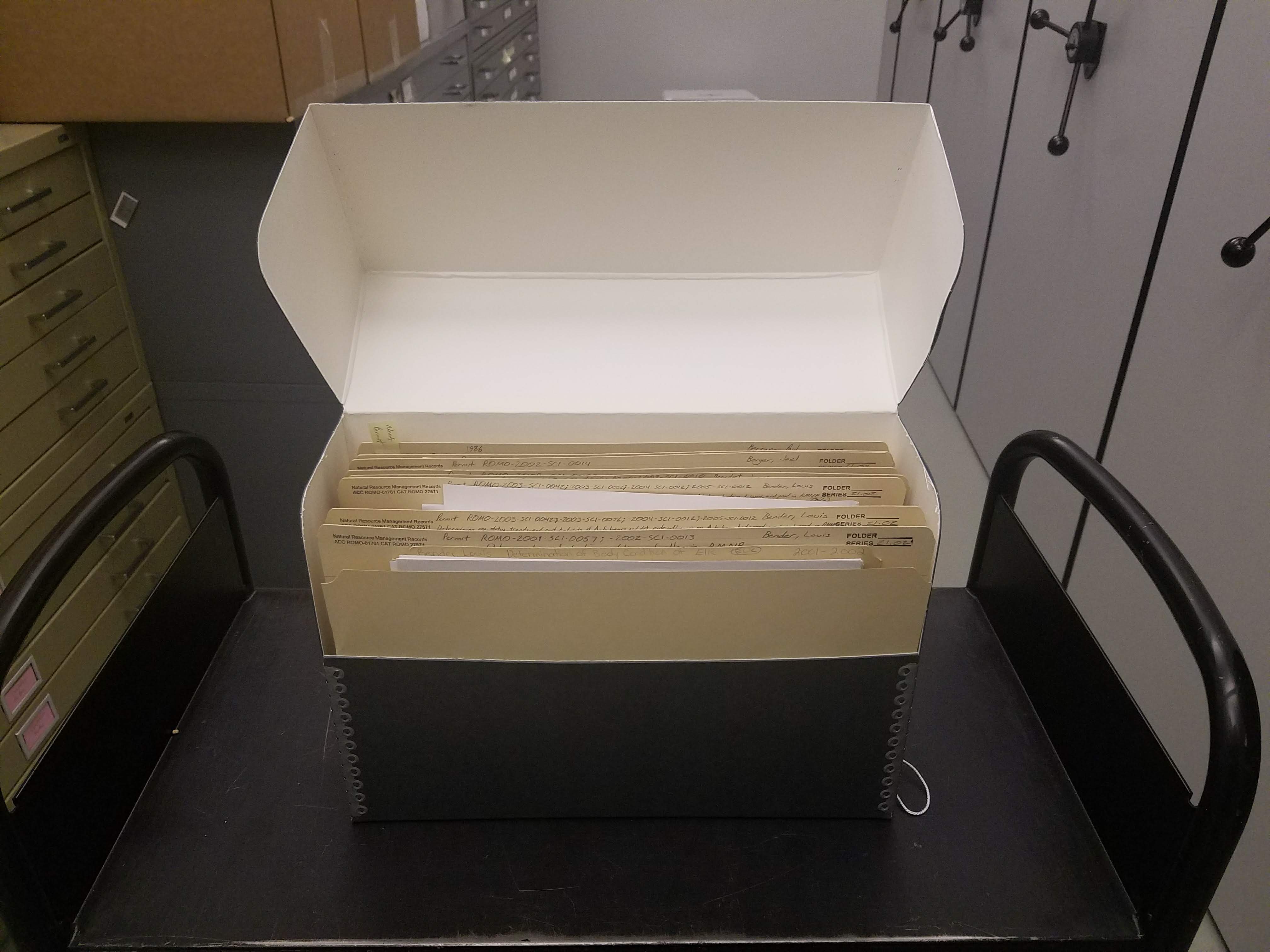
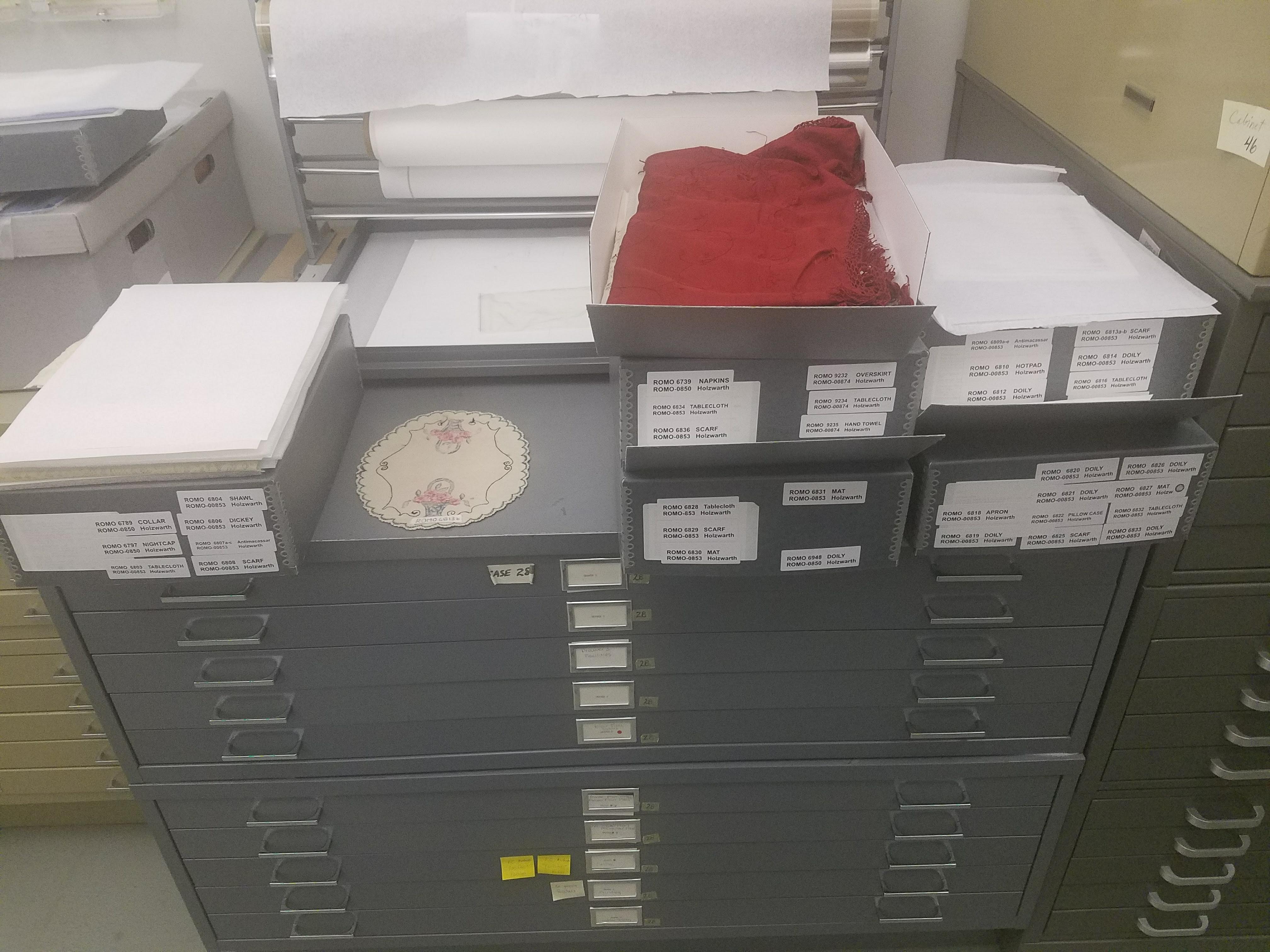
Kelly gathered together many of these disparate permits and instructed me to assemble them into a uniform and easily searchable series of files. The process of building the permit collection stretched back over several years and the consistency of each project file’s contents varied dramatically. Even the individual folders containing project documents frequently varied in appearance. My ideal organization method primarily involved taking the contents of each file and placing them into new and uniform archival folders. I divided these contents by type, compiling the permits, applications, annual reports, correspondences, data logs, final reports, and accompanying manuscripts into separate sections. I then wrote the Permit Identification Numbers, the researcher’s name, and the name of the project on the top side of each folder, as well as a numeric code indicating what kind of documentation the file contains. All of the finished files were then reorganized alphabetically by the last name of the primary researcher and stored in an archival box. While I reorganized the physical collection, I simultaneously improved the permits’ digital records in Microsoft Access. Every permit issued by the park was already listed in Access, so I specifically marked which ones were physically present in the archive. I also noted which projects resulted in the acquisition of objects for the collection itself. To improve searchability, I added notes for numerous entries that listed unique peculiarities and related projects. Kelly periodically updated the park’s ICMS (Interior Collection Management System) information with my changes.
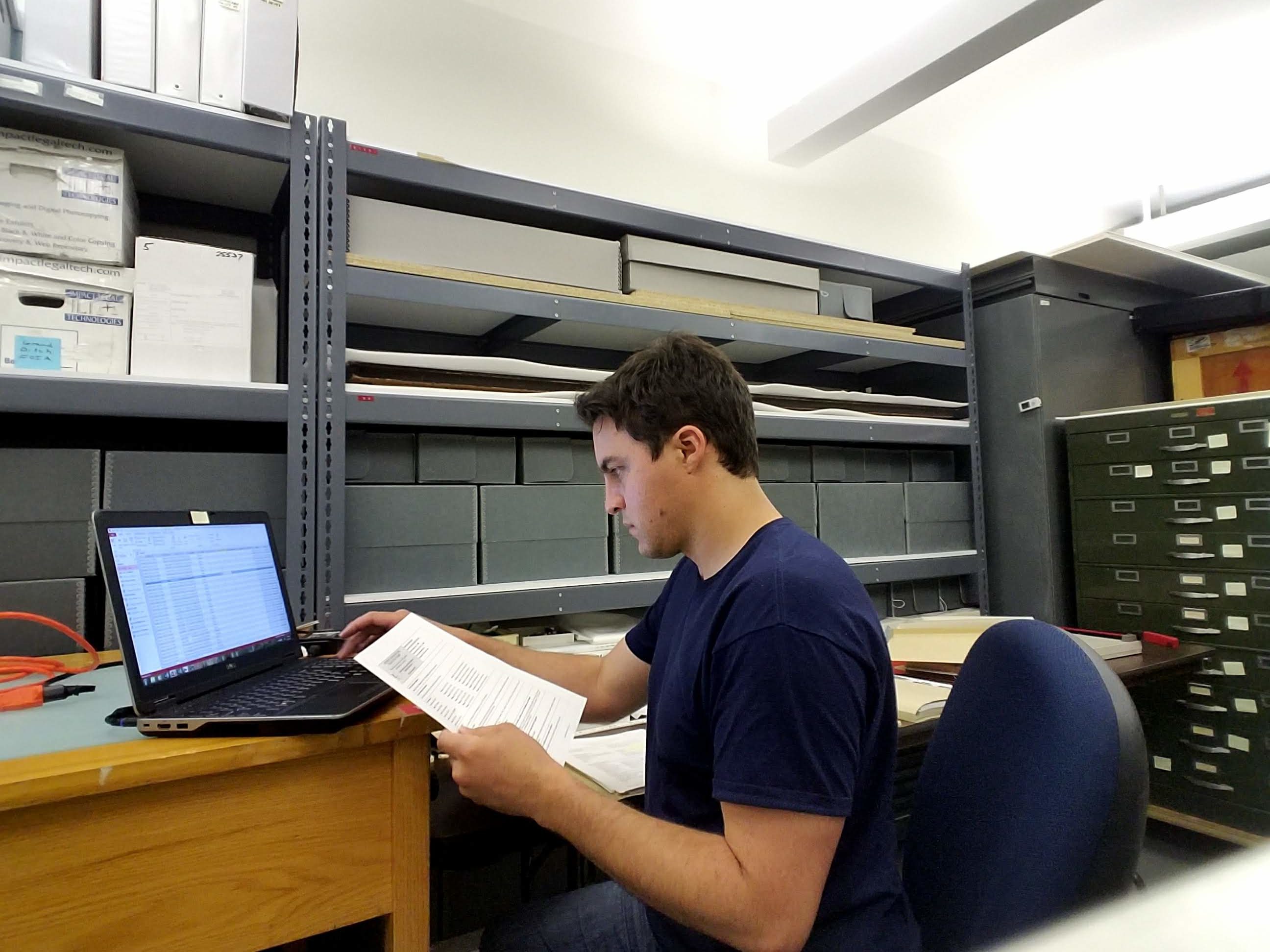
The process of updating the permit collection was a long one, with nearly one thousand research projects to sort through. Though many of the post-2001 files were already fairly well organized, most of the older project folders were terribly disordered and required extensive reworking. I frequently encountered folders containing a mixture of different projects, so I methodically sifted through every paper in each file to ensure that I did not overlook anything. To complicate matters, none of the collection’s pre-2001 files had associated permits, prompting me to manually add their information to my Access file. I ultimately added hundreds of these older, unrecorded projects to the digital record (though I explicitly noted their lack of permits). By crosschecking the physical folders with the accompanying information in Access, I was also able to note which research permits were missing from the collection. I printed these documents from the National Park Service’s IRMA (Integrated Resource Management Applications) website and filled in as many gaps as I could find.
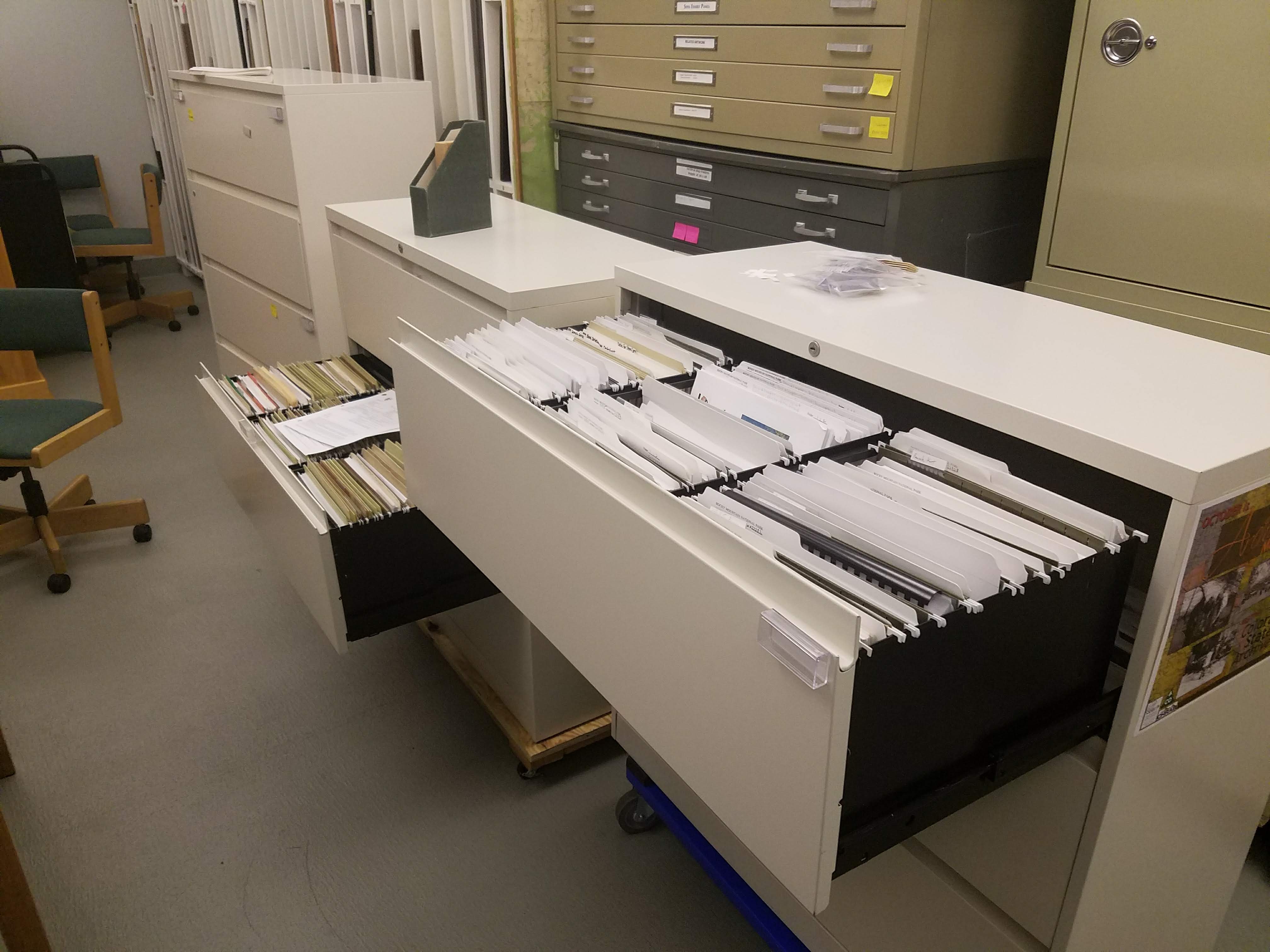
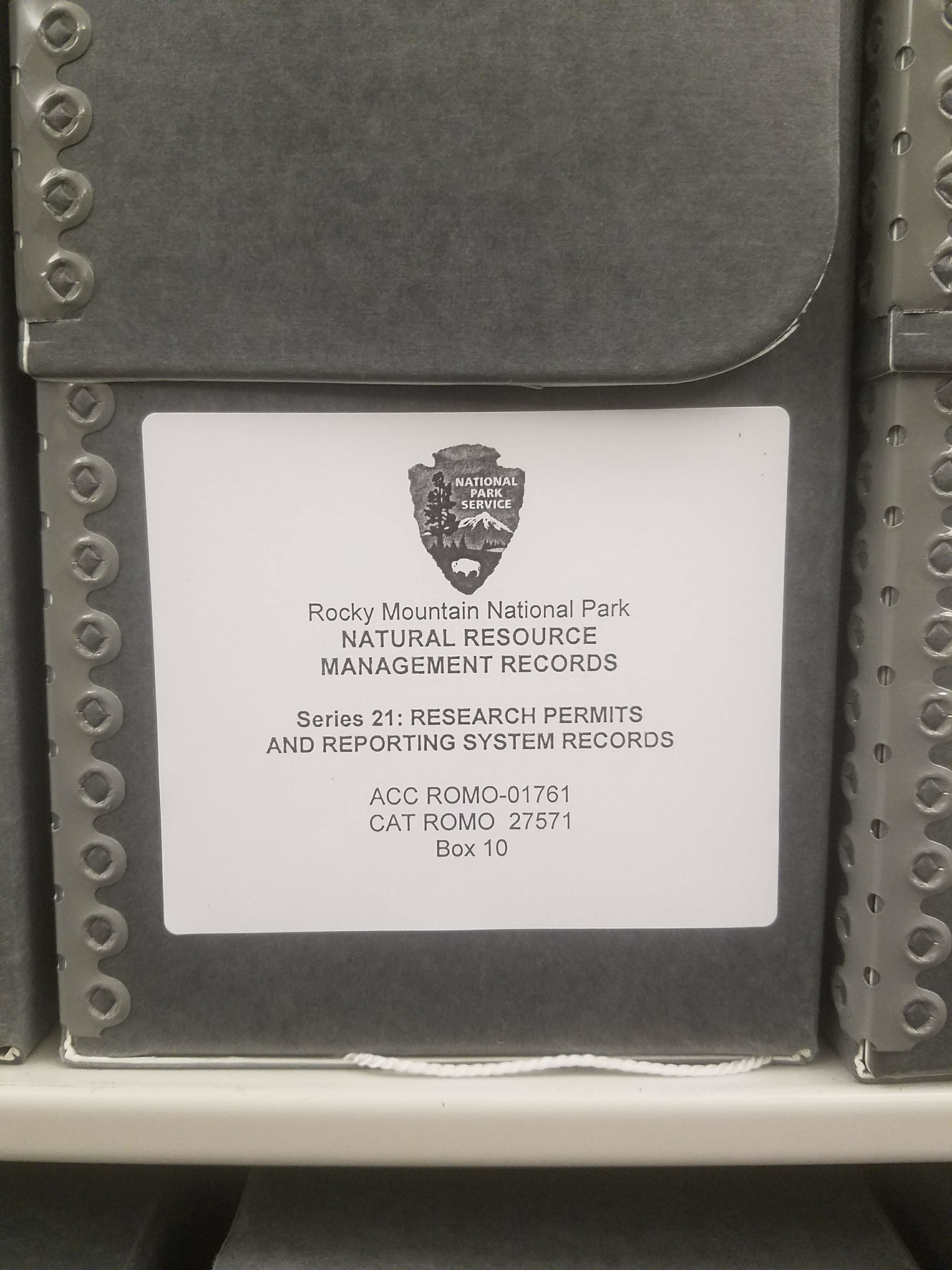
Once I had finished organizing all of the permits (and subsequently filled approximately two and half large file cabinets with updated folders), I transferred the files into sixty archival boxes and placed them back in the collection. These projects are now much easier to navigate through and are readily accessible for future researchers. The next step in the process will be to make their information in ICMS available online via a cloud-based platform. This will likely include providing searchable metadata for each entry. Public researchers will ideally be able to learn which inactive permits exist within the archive and, if they so choose, quickly acquire the physical documents.
My methodical approach to organizing the permits meant that my progress was very slow. Though I am largely satisfied with the finished quality of the permit collection, I regret that I did not move quickly enough to work on improving its online accessibility. Discussions with Kelly indicated that this process will likely take a lot of time to come to fruition, but I feel that there was more I could have done had I taken less time to break down and scrutinize every permit file. Regardless, I am excited for the research possibilities offered by making this system more coherent and available. I gained a considerable understanding of the various scientific and historical activities that have occurred in Rocky Mountain over the decades and believe that the collection contains a treasure trove of materials for researchers to benefit from. Ultimately, this project showed me the real challenges of properly organizing a collection, gave me more experience with archival software, and taught me how to effectively manage a collection’s contents to maximize a museum’s overall potential as a research source.

Accession Record Keeping:
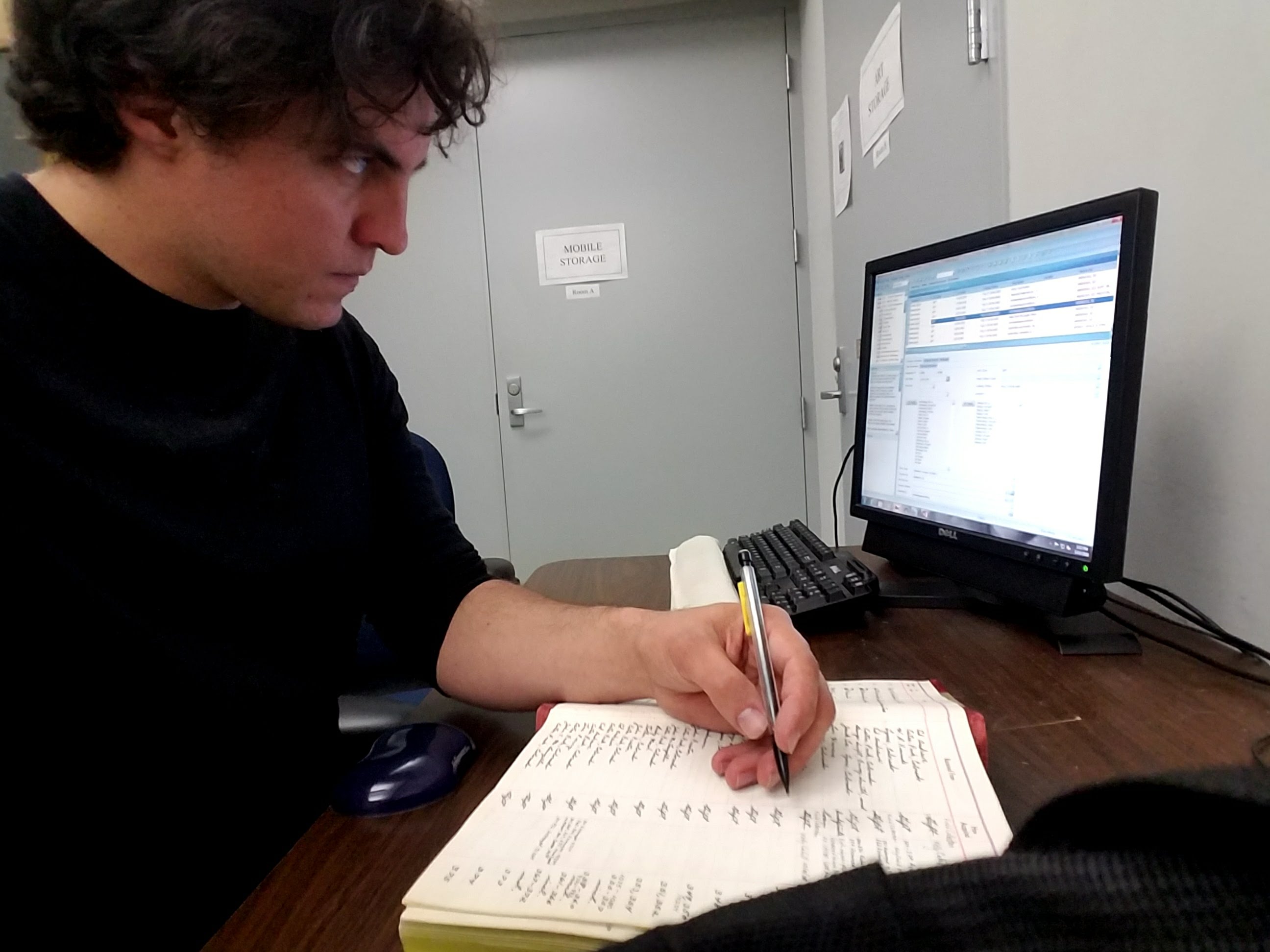
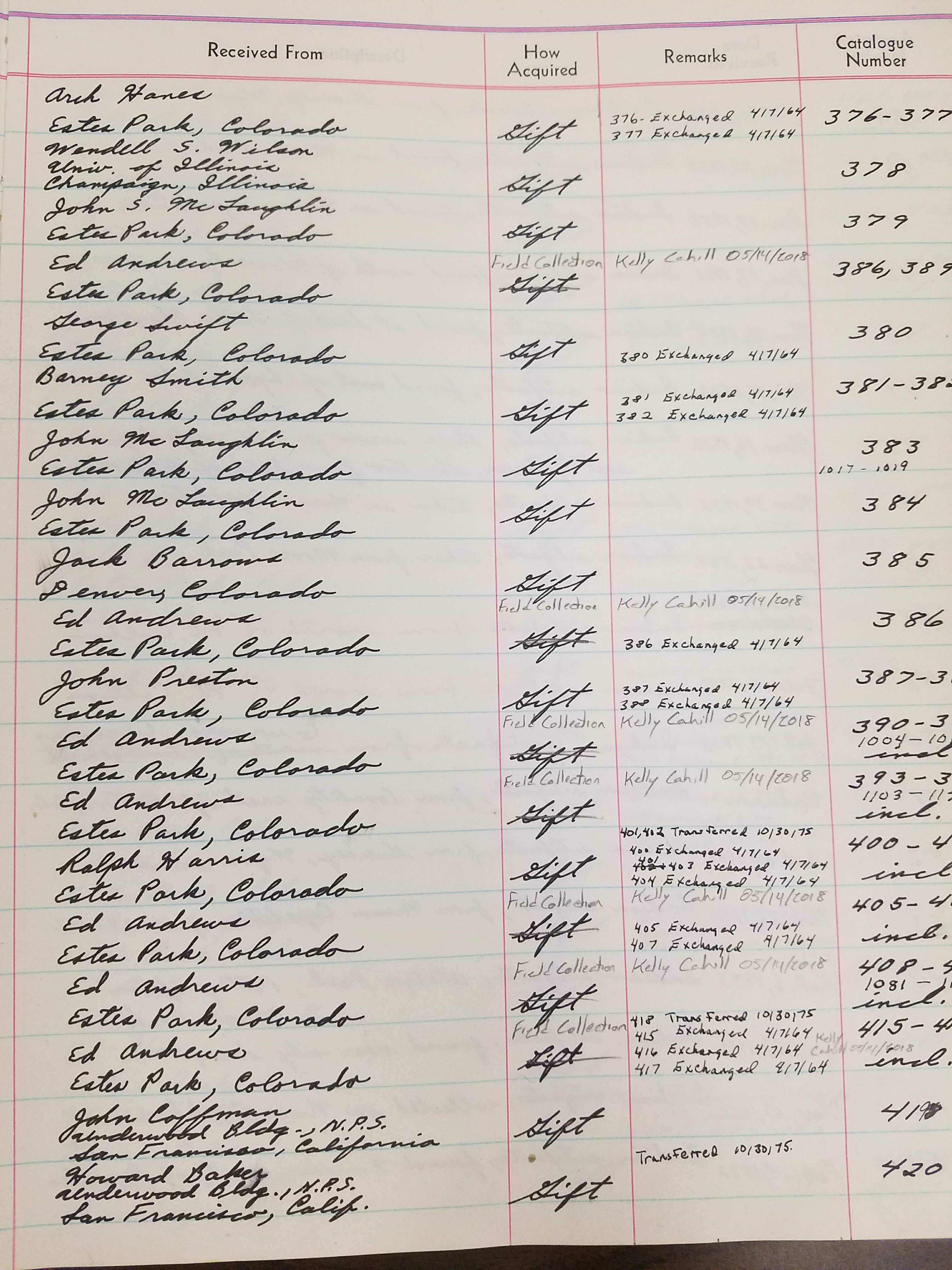
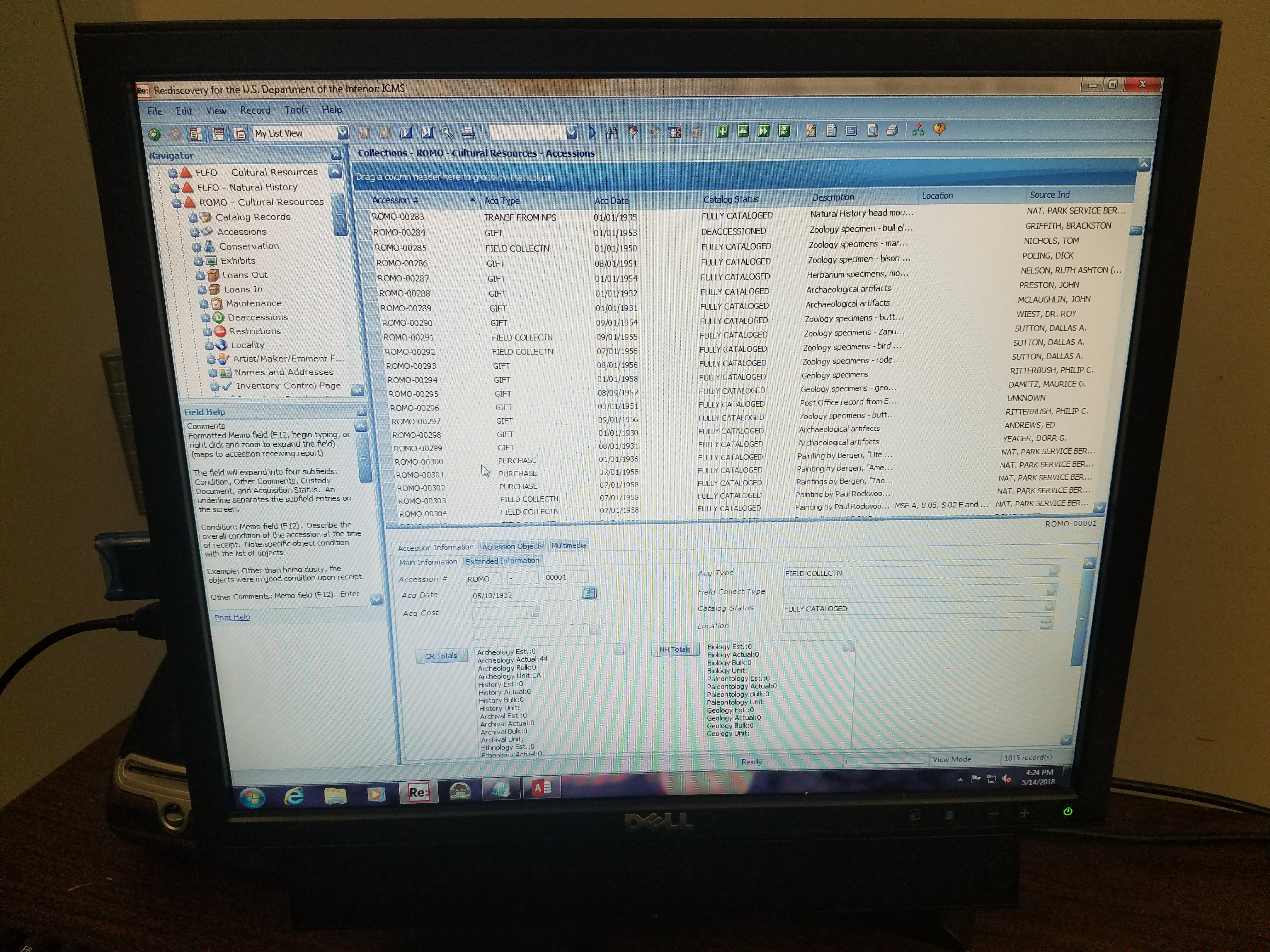
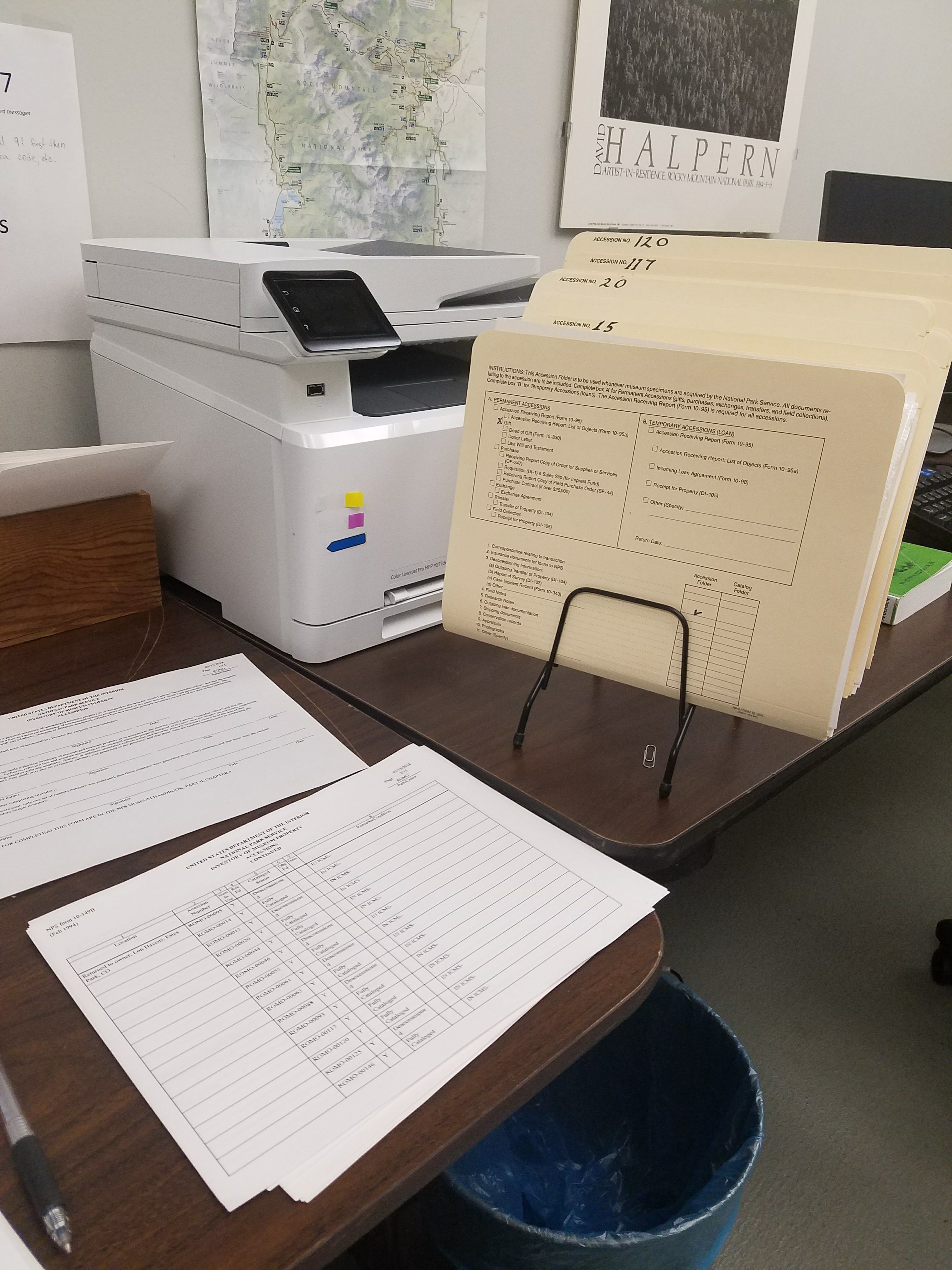
The first project I worked on at Rocky Mountain National Park was the adjustment of several old accession entries. Numerous archaeological artifacts were added to the collection in the 1930s by Park Ranger Ed Andrews, yet their accession details contained notable discrepancies. When describing the method of the objects’ acquisition, the then-curator labeled Andrews’ contributions as “Gift” in the park’s accessions book instead of the more accurate “Field Collection” category. This error was carried over into the collection’s ICMS database when the accessions records were digitized. I crosschecked Andrews’ entries in the database with those in the original ledger and made the necessary corrections in both (I wrote the appropriate terms in the book with pencil). Kelly emphasized the importance of proper record keeping and had me insert a memorandum into every altered file explaining the reason for the changes.
After I finished the initial adjustments, Kelly instructed me on the different types of forms required for every accession, notably Form 10-95, the Accession Receiving Report. I then sorted through the physical files for Ranger Andrews’ objects, noting which entries contained incomplete paperwork. In order to make the files as complete as possible, I then printed lists of the objects for each accession and added them to their respective folders along with any missing forms. I also used these lists to track down each object in the collection for archival photography. These photos were later added to the digital accession records in ICMS.
After I finished with Ranger Andrews’ entries, I conducted a small inventory of other old accession files, noting which were missing necessary documents and which had been deaccessioned. In sum, this was a good crash course in basic accessioning, a skill with which I had had very little hands-on experience in the past. Poorly maintained records can cause countless problems if left unattended, and this introductory project proved very helpful in showing me the appropriate steps to remedy such issues. It was also very useful to learn about the various forms required for accessioning and deaccessioning, as I had little prior knowledge of the necessary documentation. This process is a fundamental part of a curator’s job, so I appreciated taking a direct and immediate foray into this field. Finally, I was glad to become acquainted with ICMS and the park’s accession software programs Re:Discovery and Microsoft Access. Re:Discovery is very much like PastPerfect, yet I found it helpful to learn the various idiosyncrasies which differentiate the two.
Archival Photography:
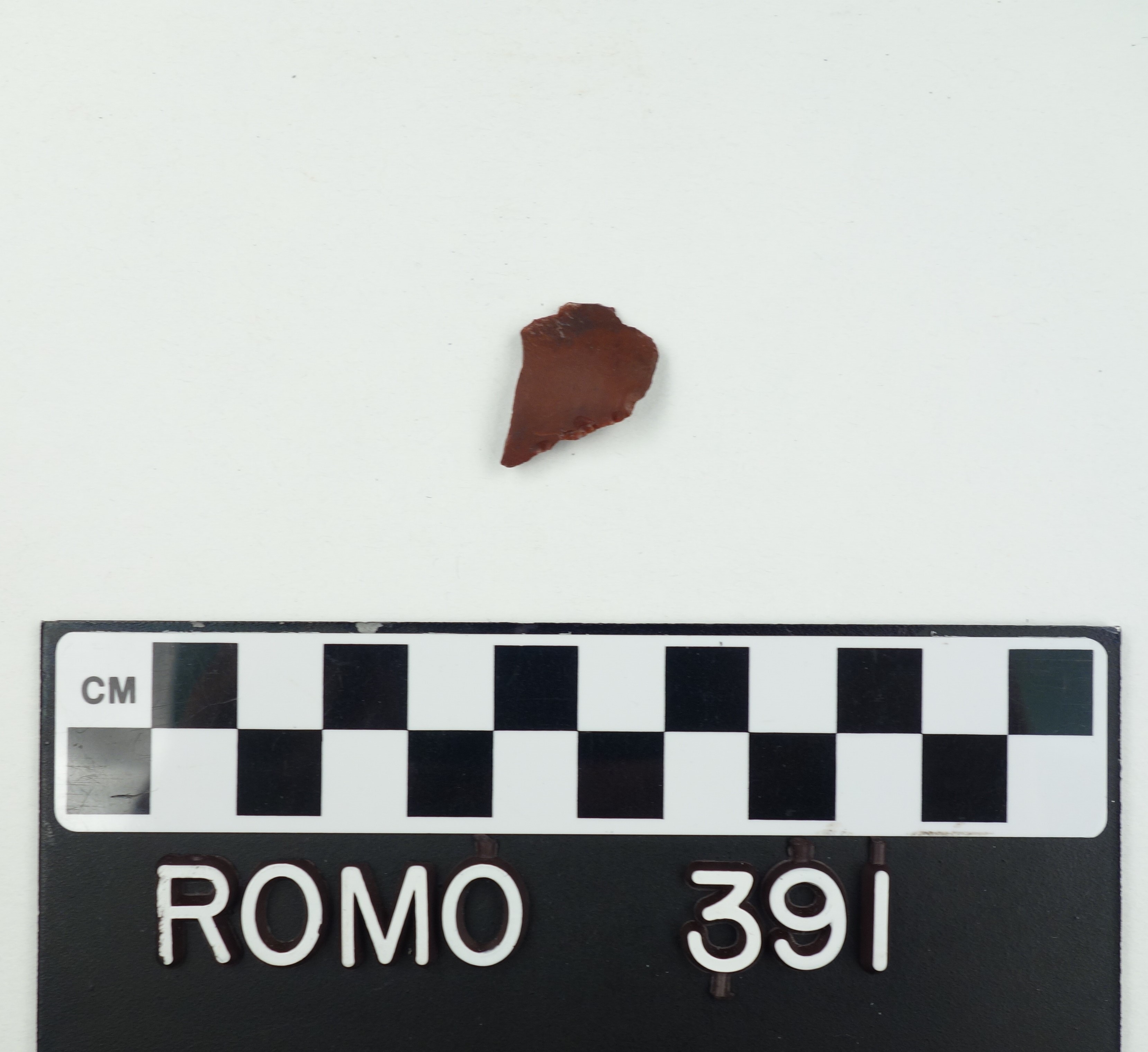
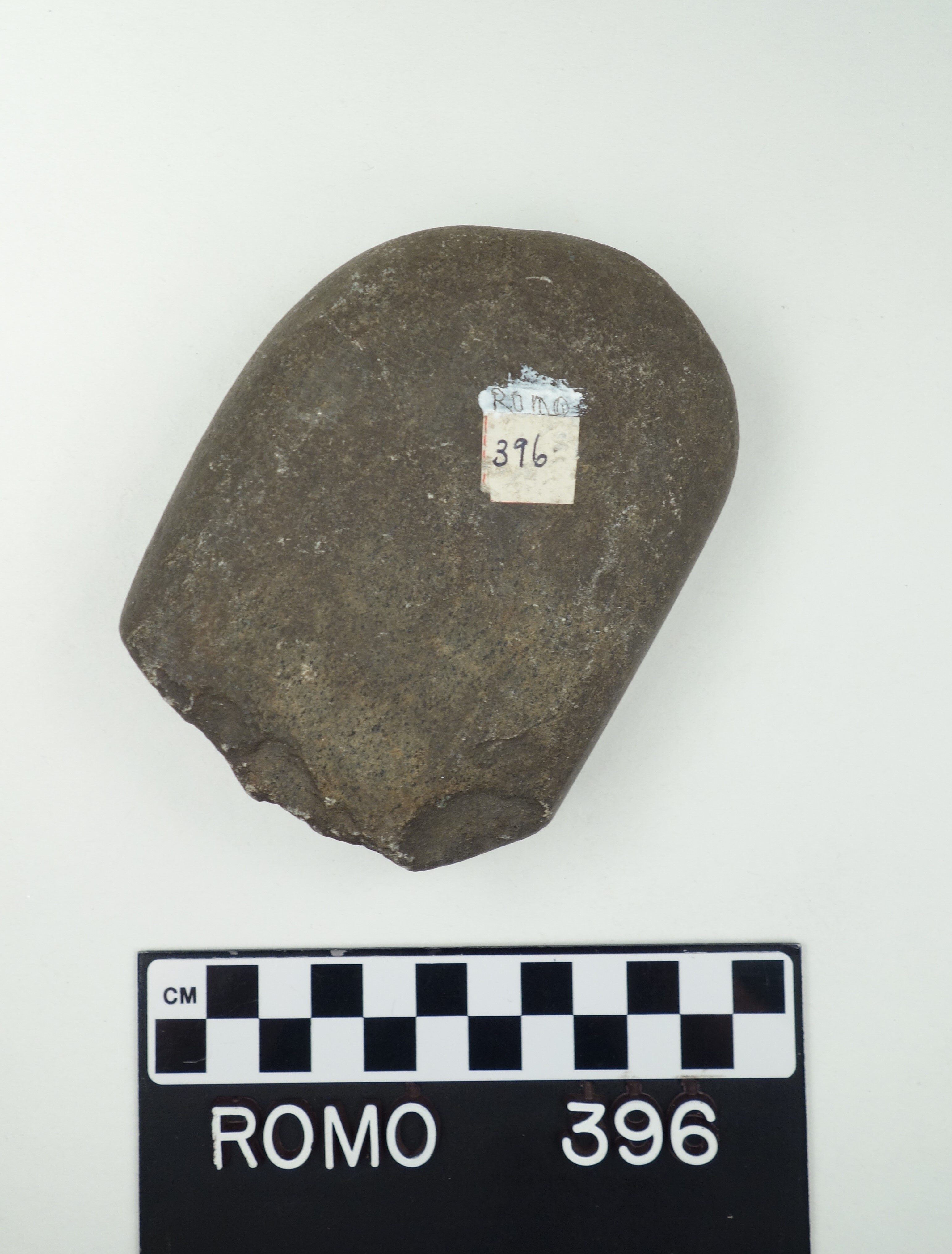
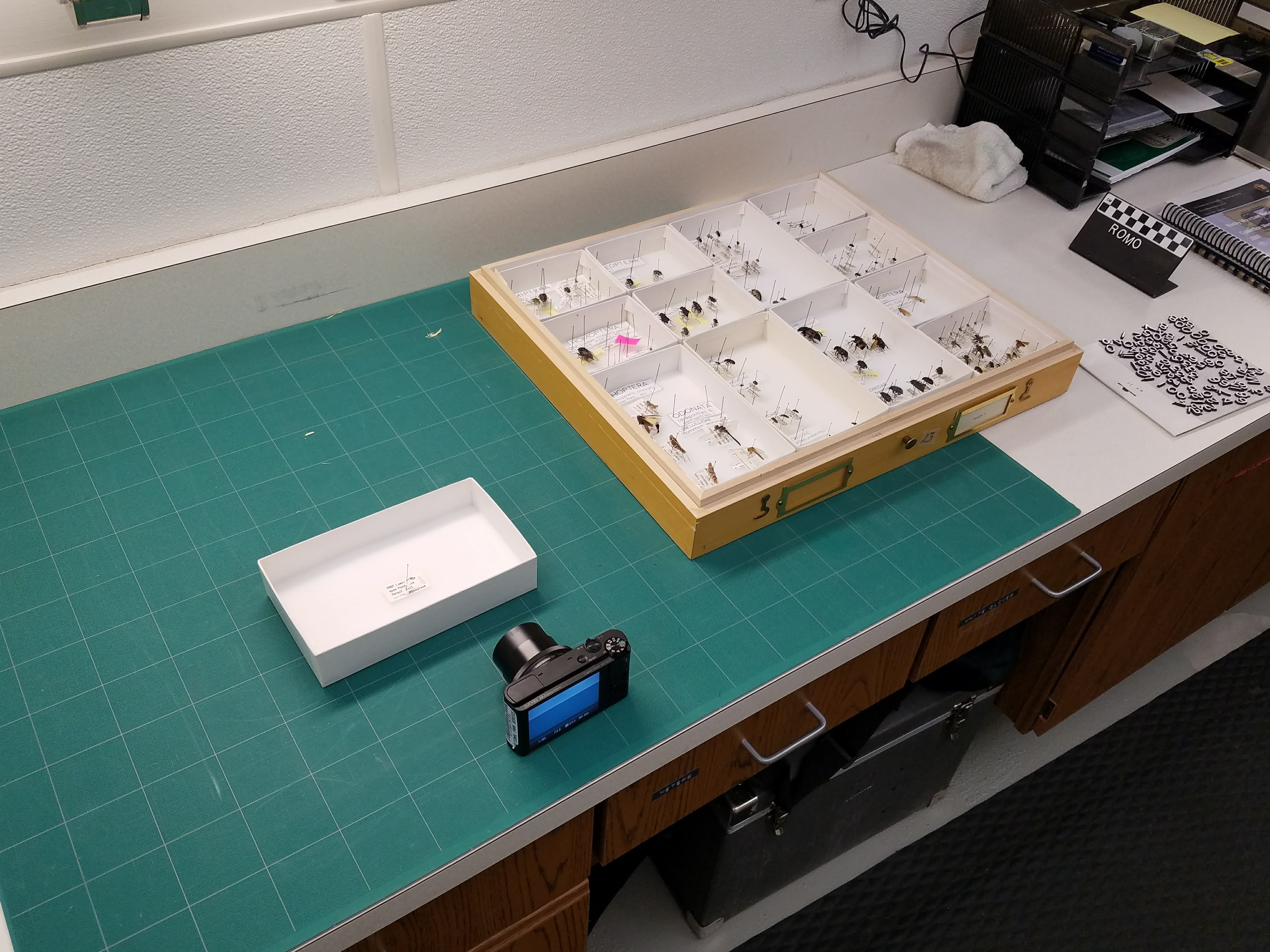
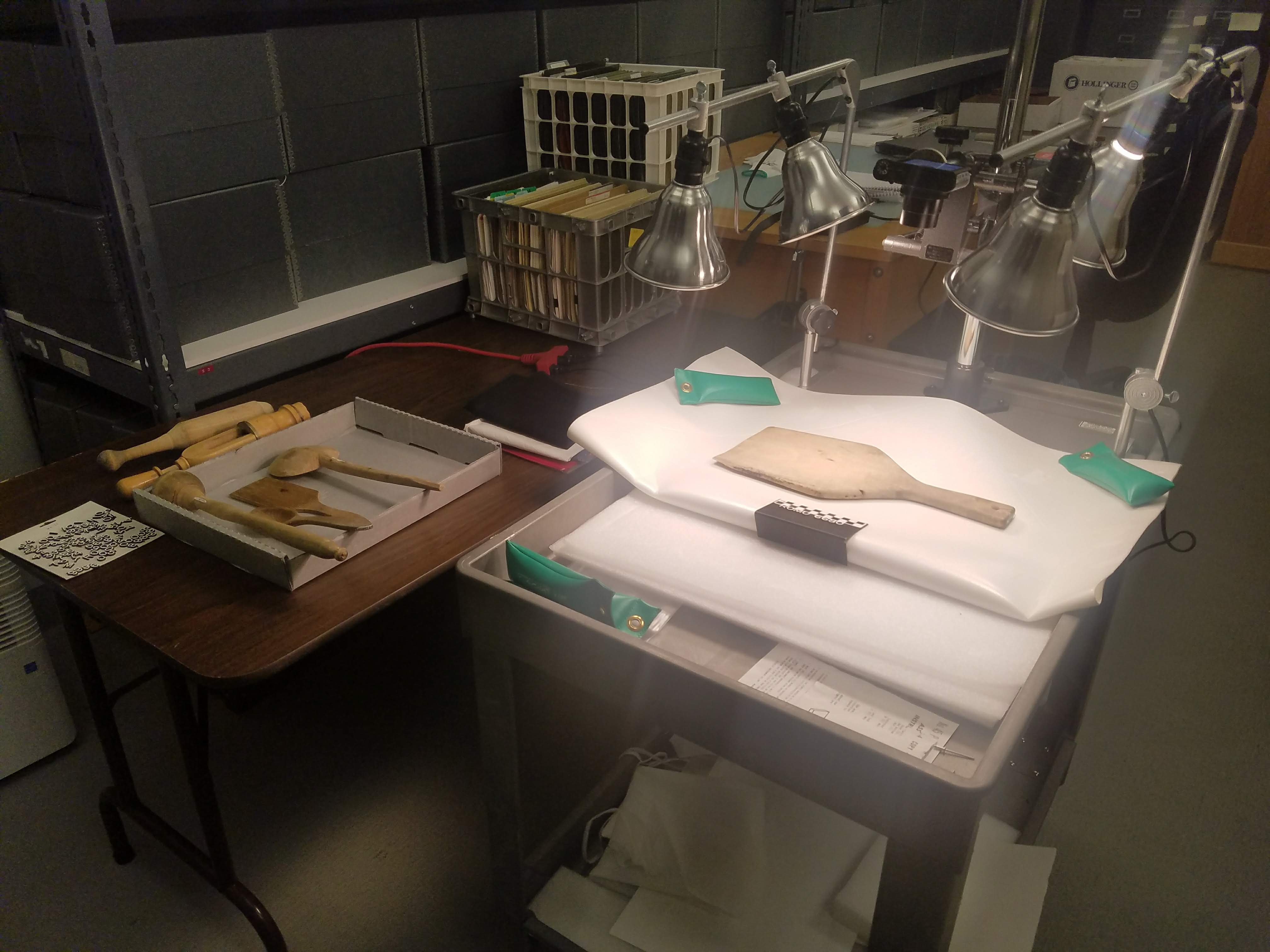
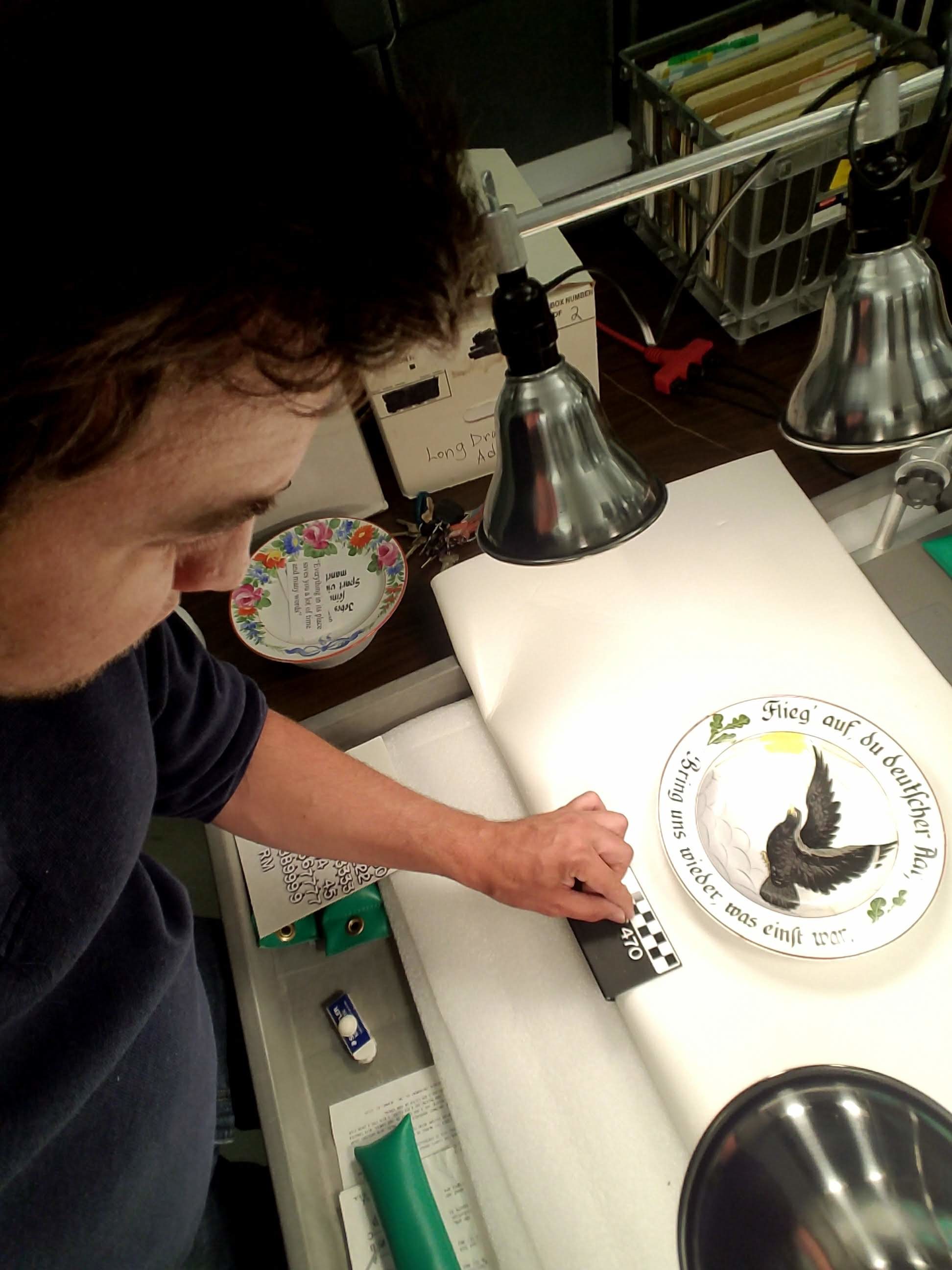
One of my desires with this internship was to develop the necessary skills needed in the day-to-day maintenance of a museum collection. Archival photography is one such necessity, as photos not only allow for easier reference in a database, but also enable a curator to track the physical condition of an object over time. On May 15, Kelly Cahill tasked me with photographing several archaeological artifacts (the aforementioned objects from Ed Andrews’ accessions), including arrowheads, manos, scrapers, and other lithic instruments. I used the museum’s Sony DSC-RX100 camera and a mobile light station for these pictures. The objects were placed on a sheet of white foam and were shot from above. I used thin sheets of fabric to diffuse the light of the station’s four lamps and reduce shadows. No flash was used, and the camera’s white balance was adjusted to accommodate bulb lighting. Compositionally, I placed each object in the middle of the frame and included a scale with a respective identification number at the bottom-center of the photograph. I photographed the front and back sides of each assigned object with and without the scale. After shooting 116 photos, Kelly demonstrated how to upload the .jpgs into ICMS and link them with their corresponding entries. Each set of images was titled with an accession number and a descriptor (e.g. ROMO 1009A, flake, worked; ROMO 1009B, flake, worked). Some of the objects had previously been photographed, but their images in ICMS were blurry or otherwise inadequate. By updating the entries, we built a more complete database record.
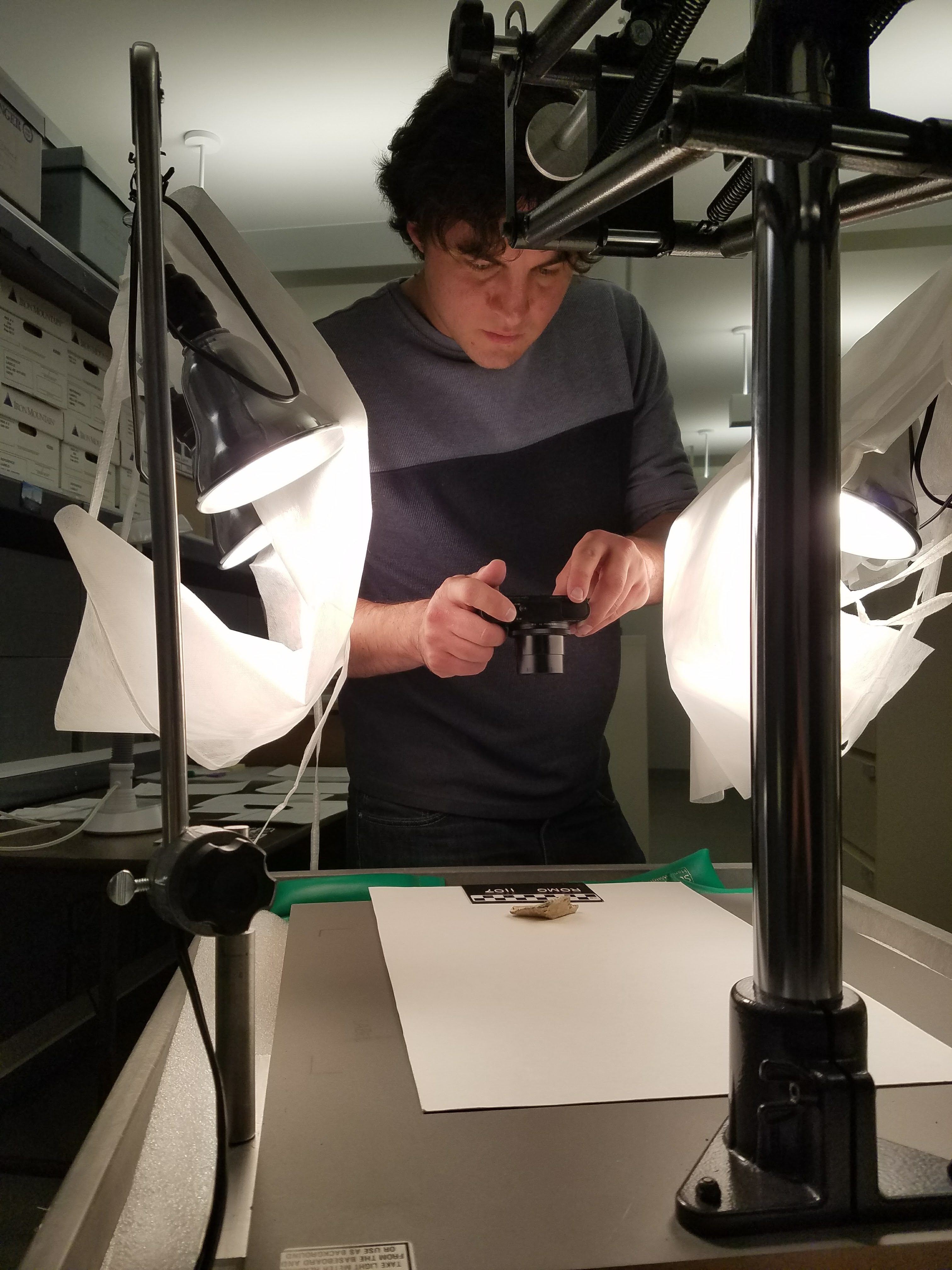
On May 24, I again practiced my photography skills by documenting some entries in the museum’s insect collection. Most of the insects did not have database photos, and several were noticeably decayed. I set up a small light station with a box of white foam on which I pinned individual specimens. The fragility of the insects necessitated very delicate and deliberate handling in order to prevent damage as I transferred each specimen from its storage box to the light station. The small size of the objects complicated my efforts to maintain consistent framing and depth of field (especially because my camera did not allow for manual lens focusing). The lens often had trouble properly focusing while shooting from a top-down angle, often automatically homing in on the head of the pin or the text underneath rather than on the insect itself. I found that I could attain a suitable depth of field by focusing on an insect from a side-profile before reorienting the camera to a top-down position to take the shot. This method allowed for detailed photographs, but it unfortunately inhibited the consistency of my framing. Most of these photos needed to be cropped afterwards in order to maintain uniformity. As before, the photographs were uploaded to ICMS along with identification numbers and classifications.
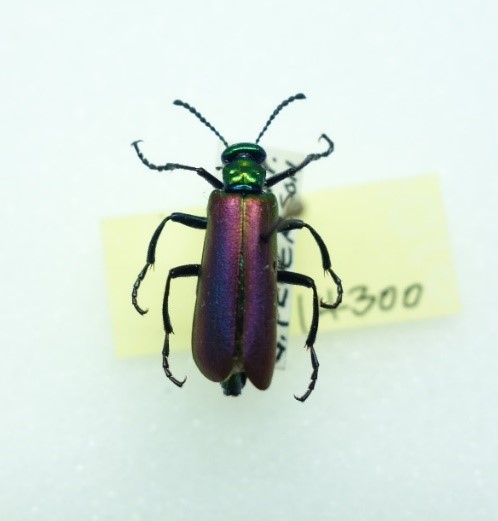
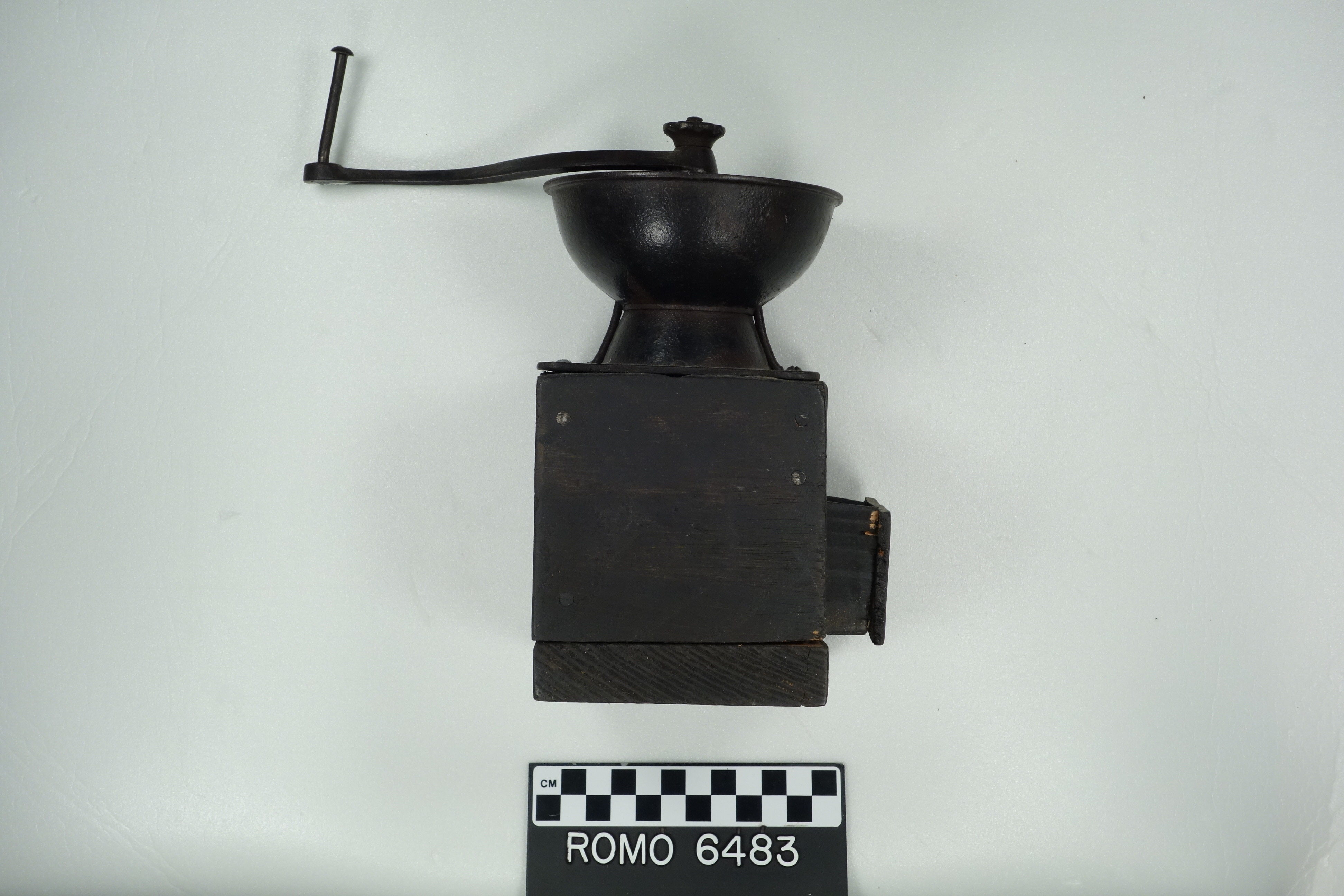
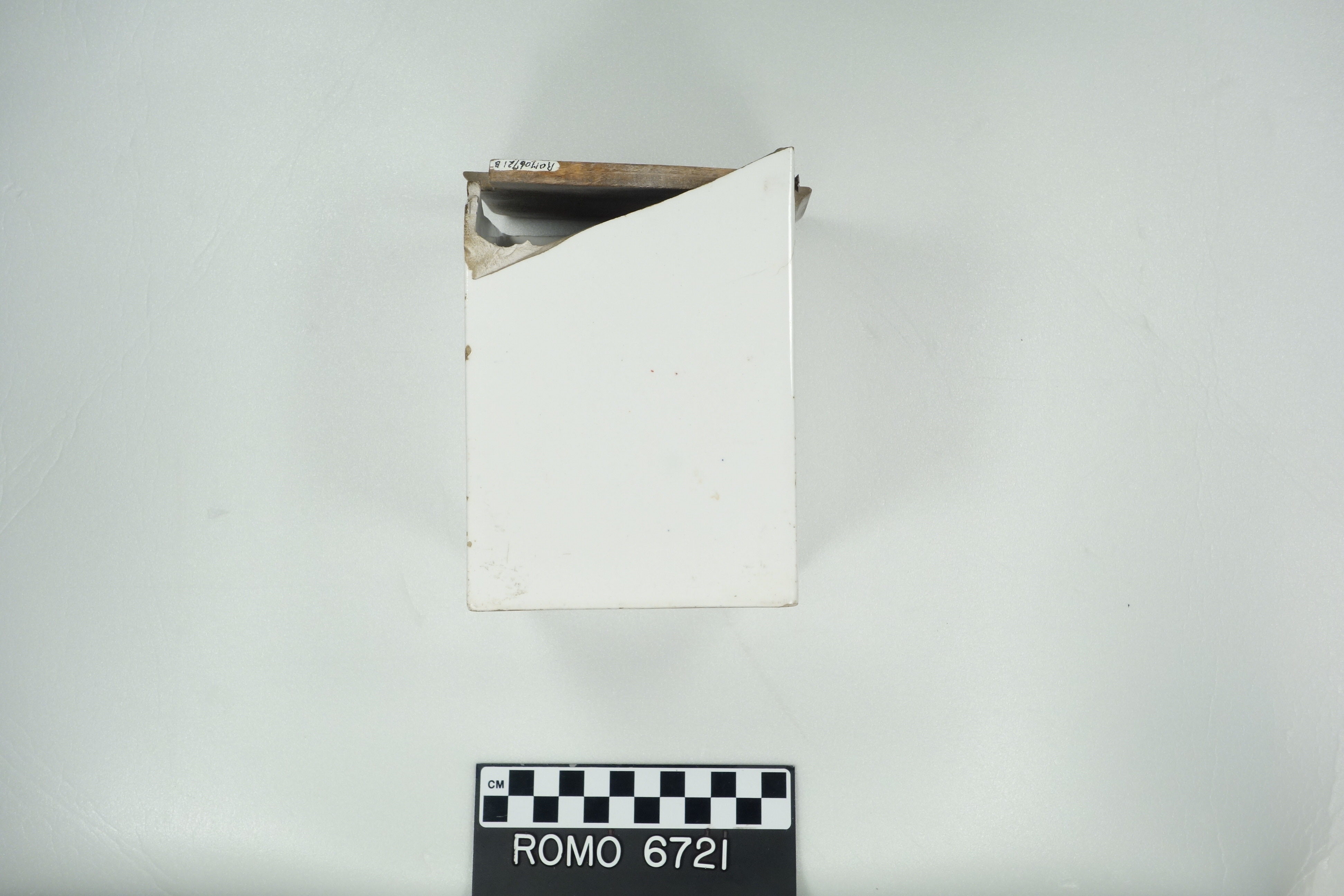
All of these photos were solely used for internal reference and thus were not held to the same scrutiny as an image that would be hosted on a public database. Most of these pictures were reasonably consistent in terms of scaling and light levels, but they all left much room for improvement. For my final sessions of archival photography, I incorporated some alterations to my methodology. On June 29, July 6, and July 12, I photographed several objects from the Holzwarth Ranch, a historical site on the western side of the park. I used the same light station from my first session, though I did not use my makeshift diffusers. They restricted my shooting area, and I found that I could somewhat reduce shadows by manipulating the position of the lights themselves. I would prefer to use authentic diffusers in the future, as I did not completely eliminate shadows. Kelly suggested that I also use a horizontal camera mount to keep the framing consistent. This technique greatly improved the uniformity of the photos. I organized the objects into groups of similar size, thereby reducing my need to adjust the framing of each shot. I also maintained consistent lighting by manually setting the camera’s f-stop to 6.3 and the shutter speed to 1/160 (I also used manual settings in previous photo shoots, but my camera movements inhibited consistency). As before, I shot from above, documenting each side of the object, if possible. The end result was a more uniform collection of pictures that required very little cropping.
I am mostly pleased with my progression in this particular skill. The objects I worked with ranged in size from a few millimeters to several inches in length and displayed a wide diversity of forms. This type of photography requires patience in order to achieve a high level of quality. Image clarity and frame consistency were the two initial areas that I most needed to focus on, and I feel that I have shown improvement in those domains. I would like to experiment with a more versatile camera and increase my understanding of light manipulation, especially if I intend to upload photos for public viewing. However, I believe that the pictures I took for this project will prove effective for their intended use.
Holzwarth Ranch Opening:
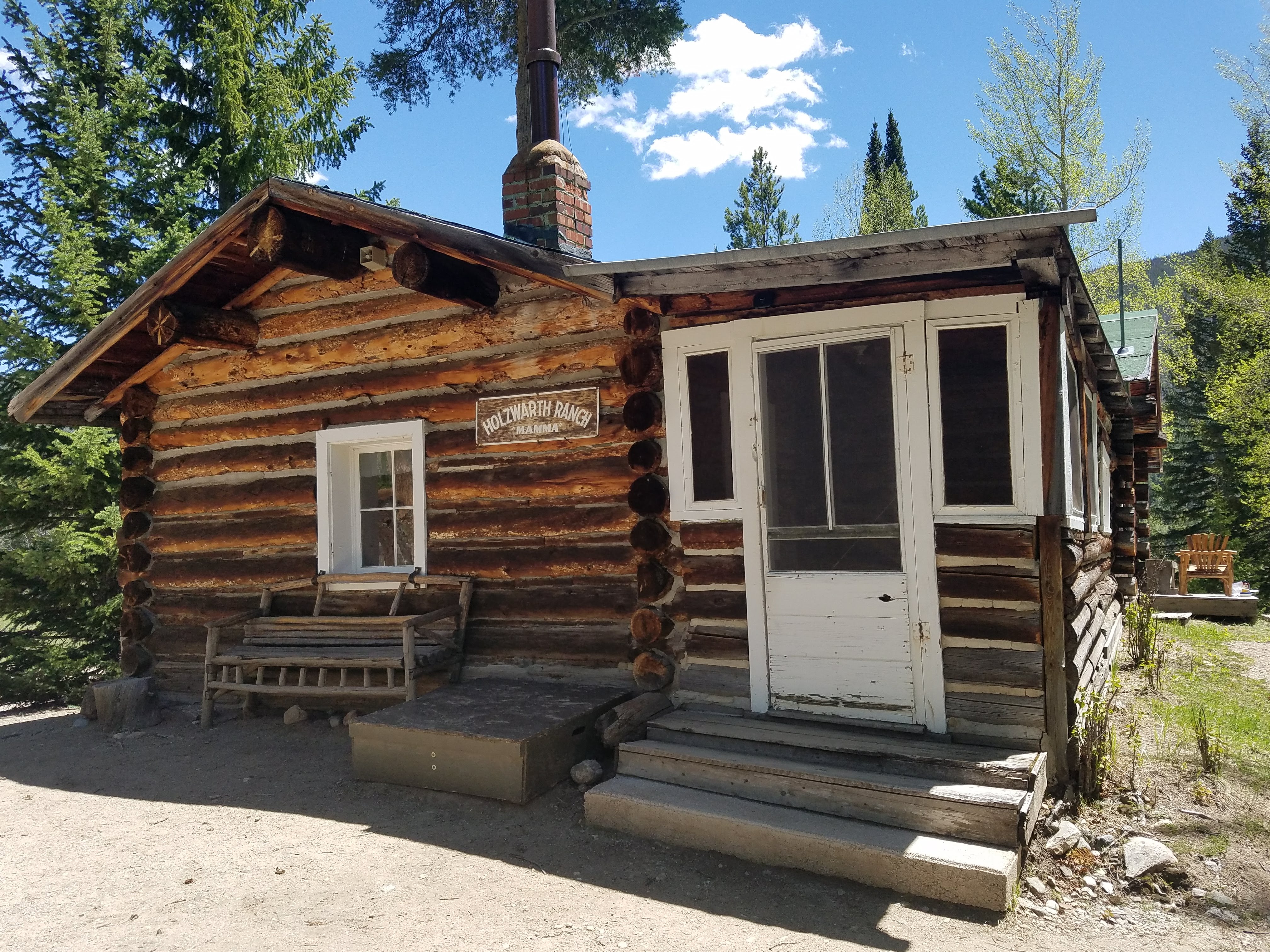
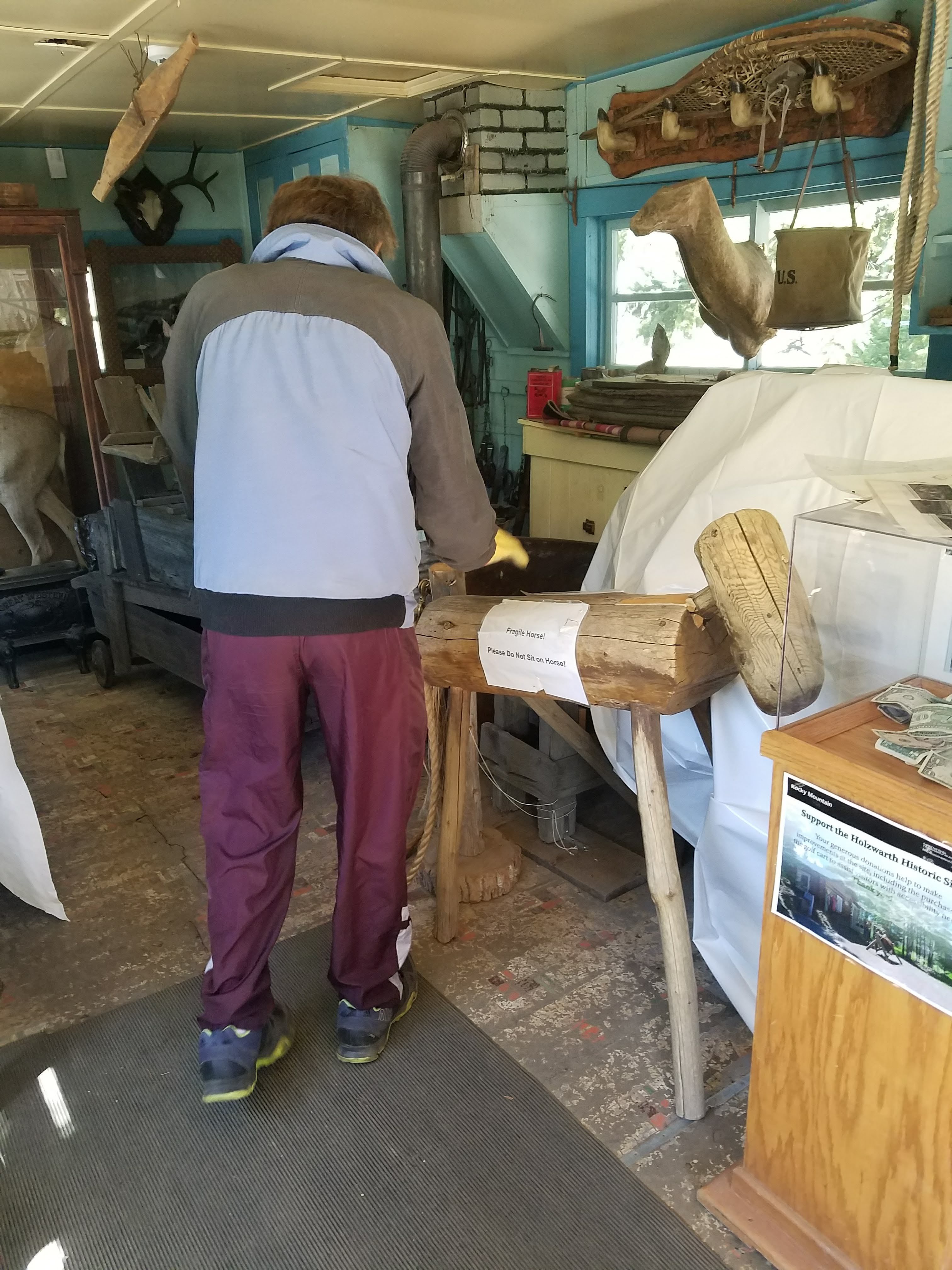
On June 1, I accompanied Kelly to the Holzwarth Ranch site on the western side of the park. The ranch is Rocky Mountain’s only large cultural history site, and our project for the day was to prepare the area for public access. The property consists of several cabins dating back to the 1920s, and was acquired by the park in the 1970s under the stipulation that its buildings be preserved. During the summer months, some of the buildings are used by park interpreters for educational purposes. Numerous artifacts from are set up in and around each building with the intention of recreating an approximate image of what the ranch looked like during the 1920s and 1930s.
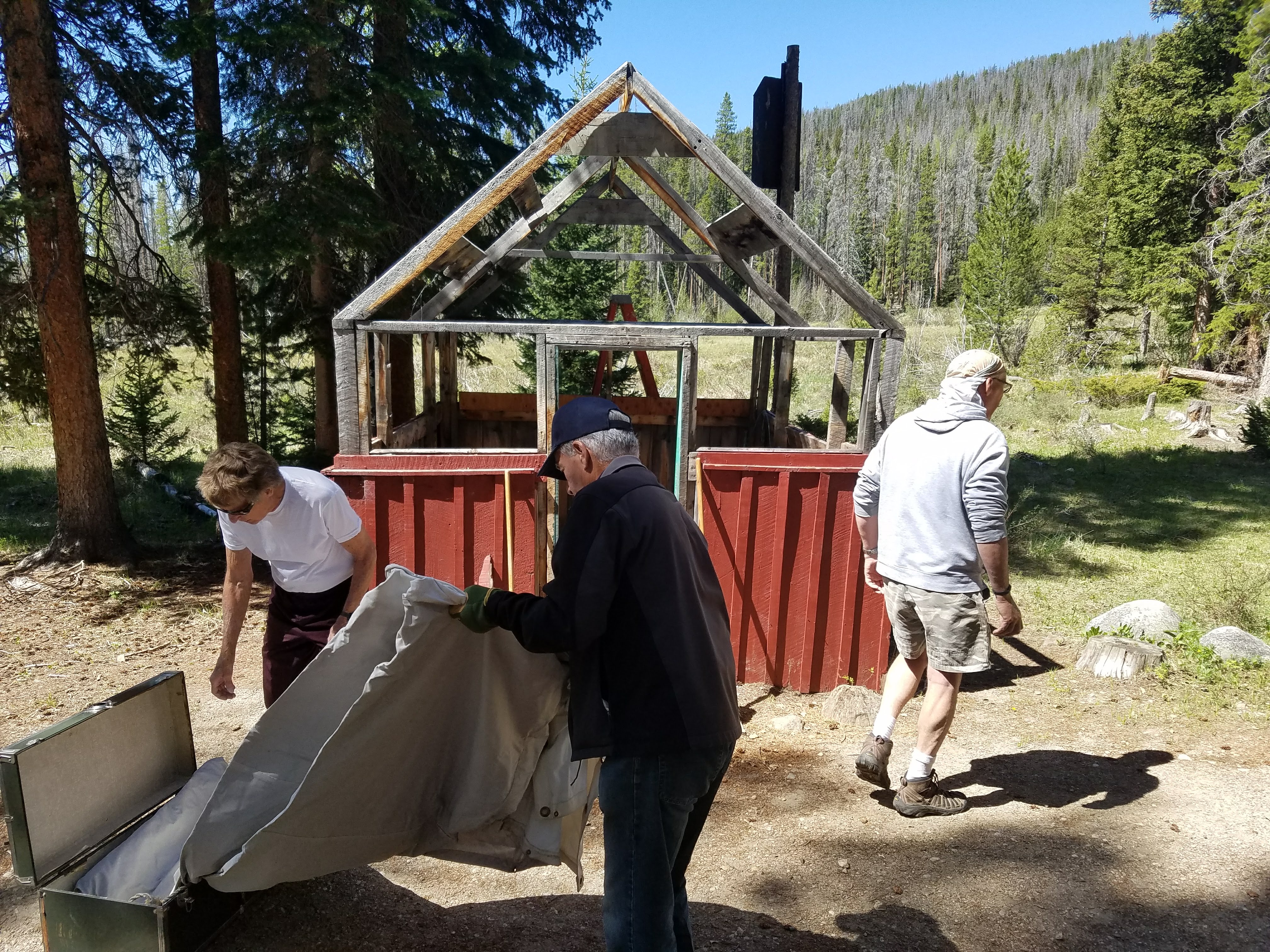
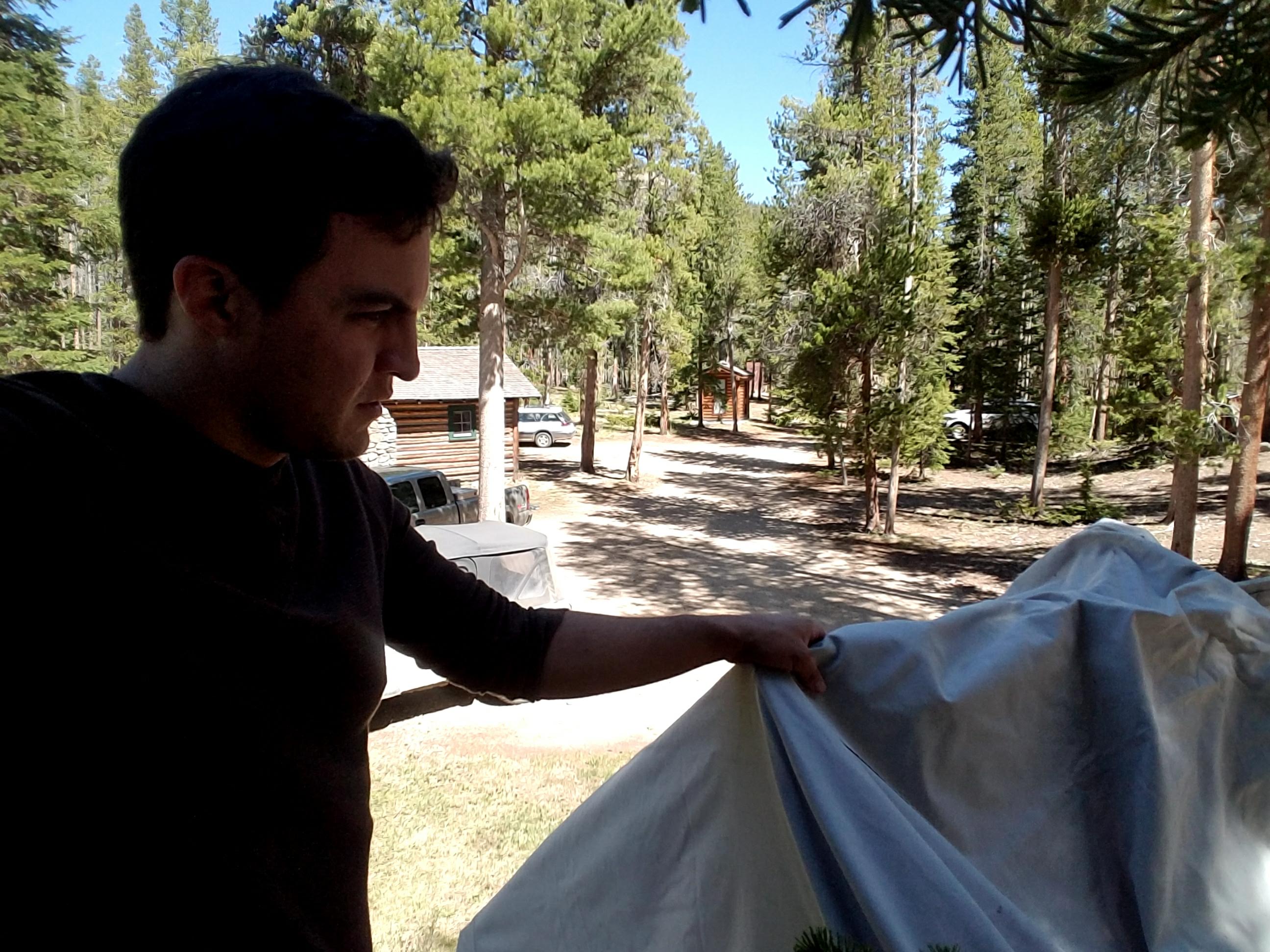
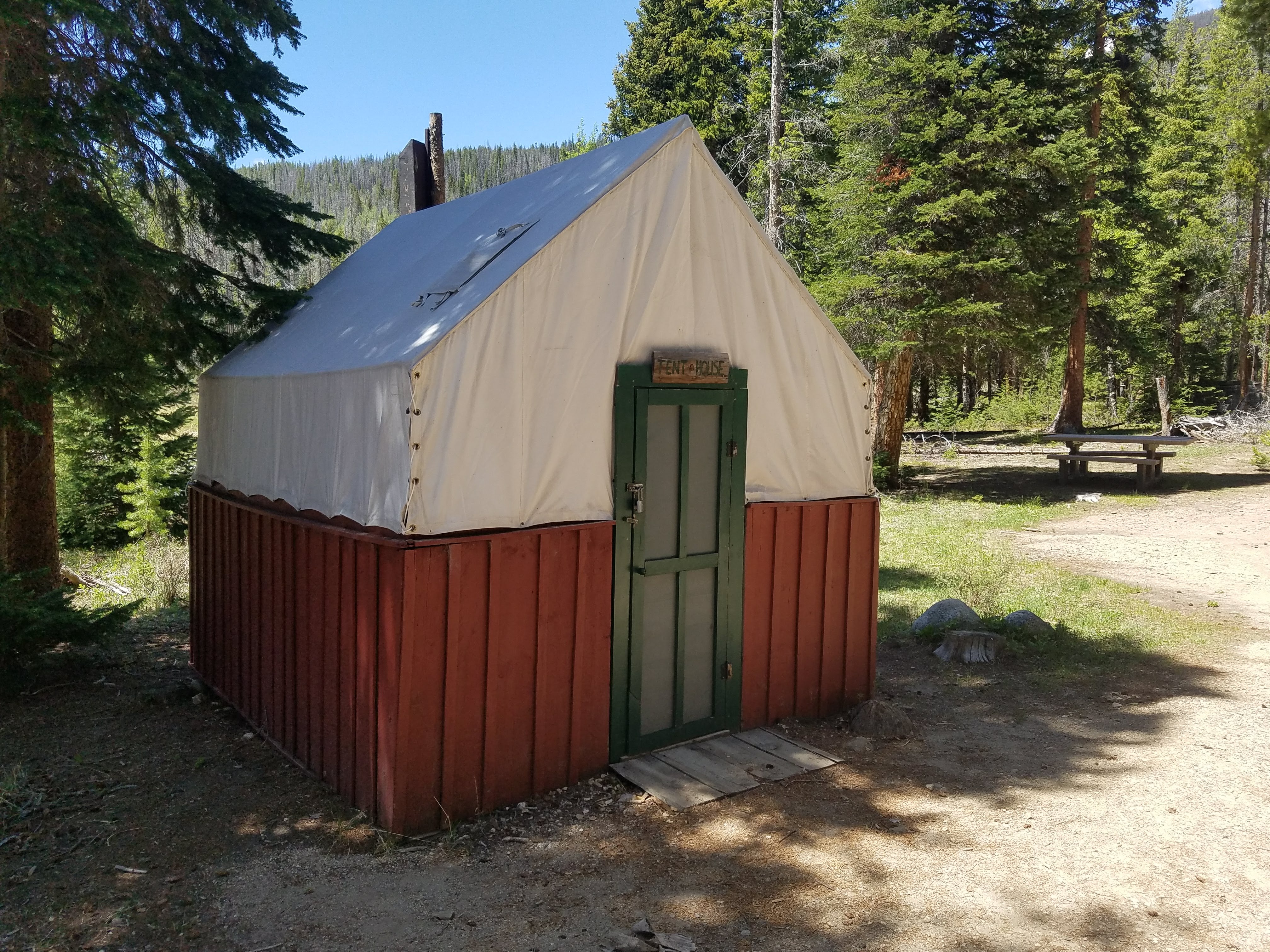
Unlike most of my other work during the summer, the opening of Holzwarth was not a solitary project, but a large group affair overseen by Kelly and a staff of interpretive rangers. Several volunteers also participated in the preparatory process, primarily in removing off-season window coverings, cleaning buildings, and setting up objects. Kelly brought several boxes of delicate objects from the collection building to the ranch, and I helped her move some of these into the appropriate buildings before departing to assist a group of volunteers. While Kelly coordinated the preparation of the main cabin (the “Mamma” cabin), I helped several of the volunteers in setting up other parts of the site. In addition to laying out various pieces of antique ranch equipment across the property, I helped build a replica cabin and fill it with objects.
This project was a relatively quick affair, but was extremely enjoyable and gave me a better idea of how the worlds of park interpretation and collection management collaborate with each other. The choice of objects to populate the site accurately reflected a particular period in the ranch’s history, but also needed to fit the demands of the interpreters. The experience was also a helpful reminder of the occasional need to work alongside volunteers in a museum setting. Thankfully, the volunteers I engaged with were fairly autonomous and did not require intense supervision, though I coordinated some of their efforts to meet Kelly’s instructions.
One of the most important lessons I took from Holzwarth was how the environment of a national park can affect the process of opening an exhibit. In my previous museum experience, exhibit maintenance often took place in isolation from the public (usually on closed days). The Holzwarth opening was conducted in the presence of visitors, though traffic was never terribly high. While visitors were never a major nuisance, their continual presence in our work area (sometimes in the very cabins we were trying to open) necessitated constant public awareness and diplomacy on our parts.
More alarming than unexpected park guests, however, was the impact of park wildlife on the exhibits. Before we set any objects out, Kelly and I investigated the cabins for rodent infestations. We did not initially discover any major problems until we neared the end of the opening process, when a large quantity of rodent droppings was unexpectedly found in the central cabin. Unfortunately, this revelation (and the accompanying threat of Hanta virus) forced us to cease activities and close off the cabin until it could be cleaned and repaired. While disheartening and frustrating, this experience did unveil how the unique and unpredictable elements of the park itself can impact museum activities. Animal break-ins were considered very low threats in the museums I had previously worked in, but a national park evidently introduces an entirely new set of factors to account for.
Though my direct involvement with Holzwarth ranch ended on June 1, Kelly continued to inform me of the site’s status throughout the remainder of the internship. Through her updates, I gradually learned of the potential challenges involved in repairing a public exhibit of this scale. The park’s historic preservation team would repair the cabin after it was deemed safe to work on. Thankfully the process of fixing up Holzwarth apparently seemed to progress faster and more efficiently than normal for the Park Service, but the central cabin will still remain closed until next summer. Kelly returned many of the objects to the collections building, where she promptly cleaned them. I photographed several of the artifacts and conducted a small inventory on many more.
The act of opening Holzwarth was a short but very rewarding experience. Though I feel that I may have slowed progress a bit with my various questions, I am pleased with the general outcome of the exhibit (barring the incident with the Mamma cabin). I am very fortunate to have gotten an opportunity to work on this large cultural site and gained much insight from it.
Superintendent Report Summaries:
One of my final projects was to summarize several sets of monthly and annual superintendent reports for referencing in ICMS. Each report is a document written by a Rocky Mountain National Park superintendent that details important information regarding the park for a particular year or month. Park attendance, revenues, maintenance updates, wildlife research, visitor accidents, and other pertinent events compose the bulk of each entry. These documents are lengthy pieces, with monthly reports averaging between six and ten pages each and annual ones usually spanning twenty to forty pages. Annual reports typically contain similar information to their monthly counterparts but in a more condensed form. Both types of documents are immensely helpful as research sources, but their sheer length complicates efforts to immediately ascertain their contents.
In mid-July, Kelly requested that I read through fifteen sets of monthly reports (each of which contained twelve individual reports for a given year) and thirty annual reports and summarize their key points. These summaries were then uploaded to ICMS and added to each report’s digital entry. Several entries for the years between 1920 and 1970 lacked a comprehensive summary, so I spent several days reading each document and extracting notable facts. Most of the information I recorded consisted of data that were measurable over time, such as attendance numbers, revenues, and animal population trends. I also included anything especially unusual or of a possibly high research value, such as property acquisitions, local political events, and fatalities. Most of my summaries ended up being approximately one large paragraph in length, though my later entries grew more streamlined. This project not only gave me a better understanding of the park’s history, but will also help facilitate future research efforts. A few reports did not scan well and were very difficult to read, so I especially hope that my work will make them more usable in later projects.
Mission 66 Comfort Station Project:
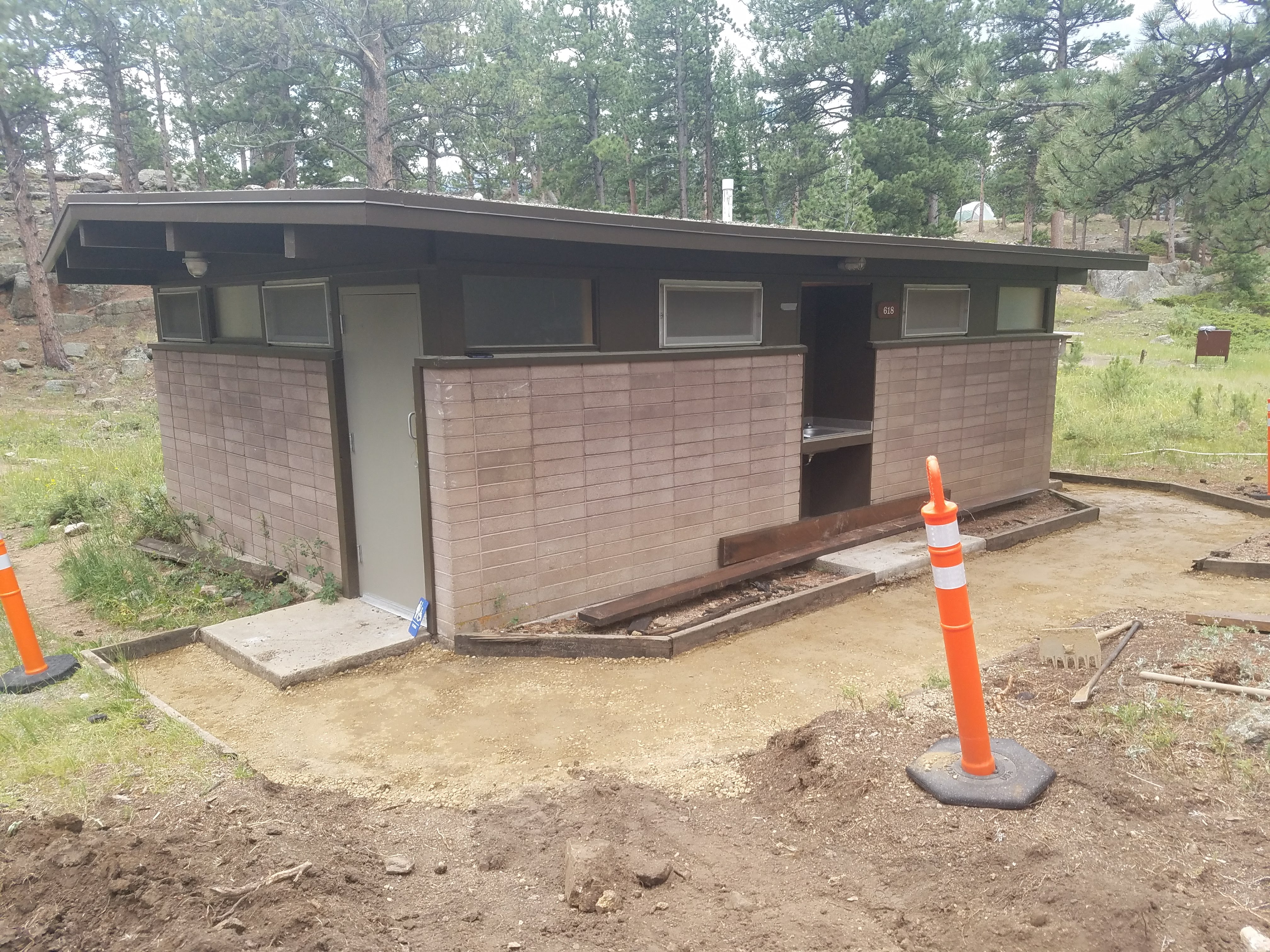
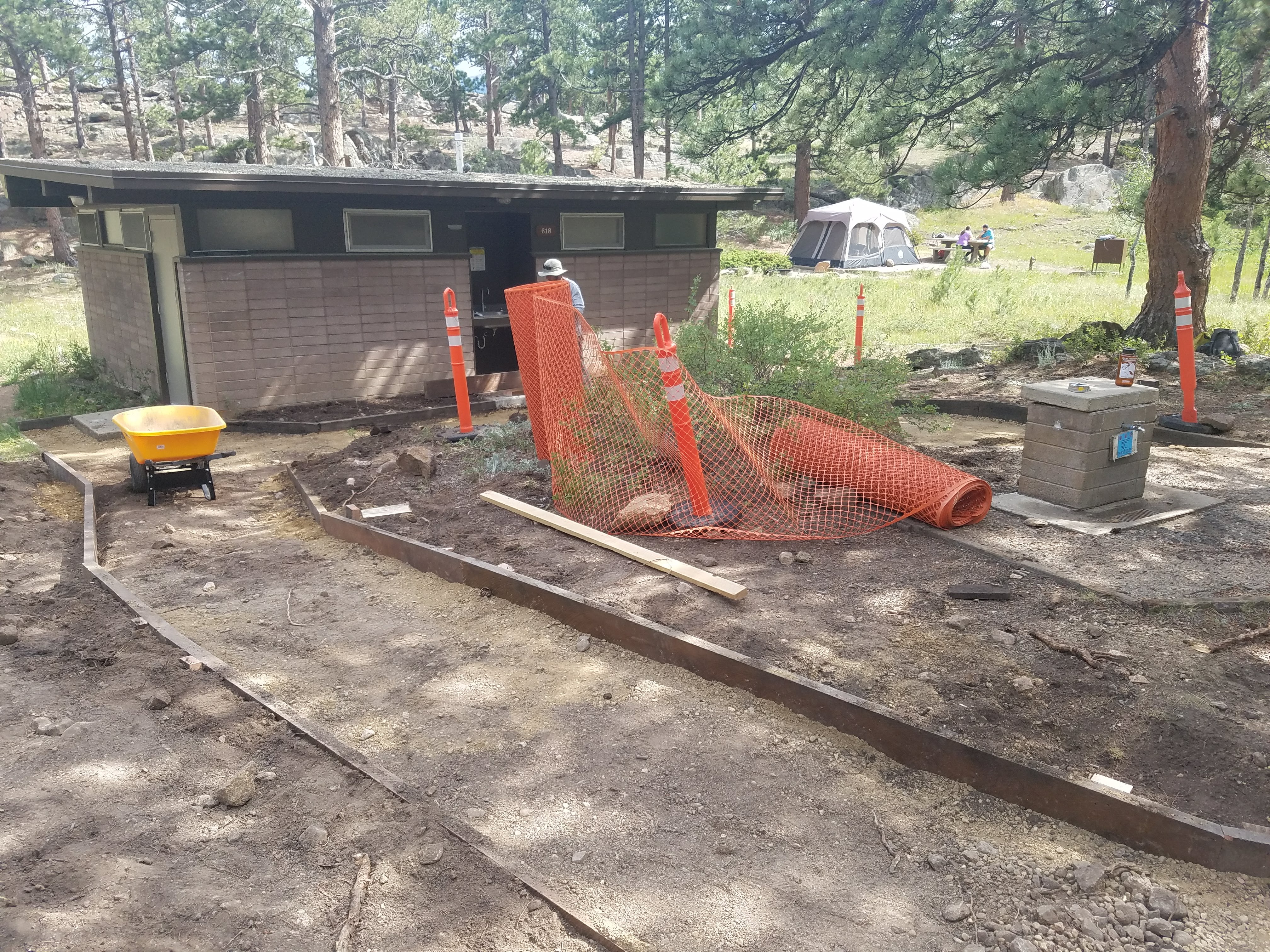
On July 16, I spent the day working with members of the park’s historic preservation team to modify part of a historic structure in Moraine Park. This was not technically a museum project, but Kelly suggested that I participate in order for me to get a better idea of how history and cultural resource management are carried out in Rocky Mountain. The actual project itself involved constructing an asphalt walkway to a comfort station built during the Mission 66 era. This task was not quite as historically focused as maintaining and repairing the Holzwarth cabins, but still gave me helpful insight into the methodology of the historic preservation team.
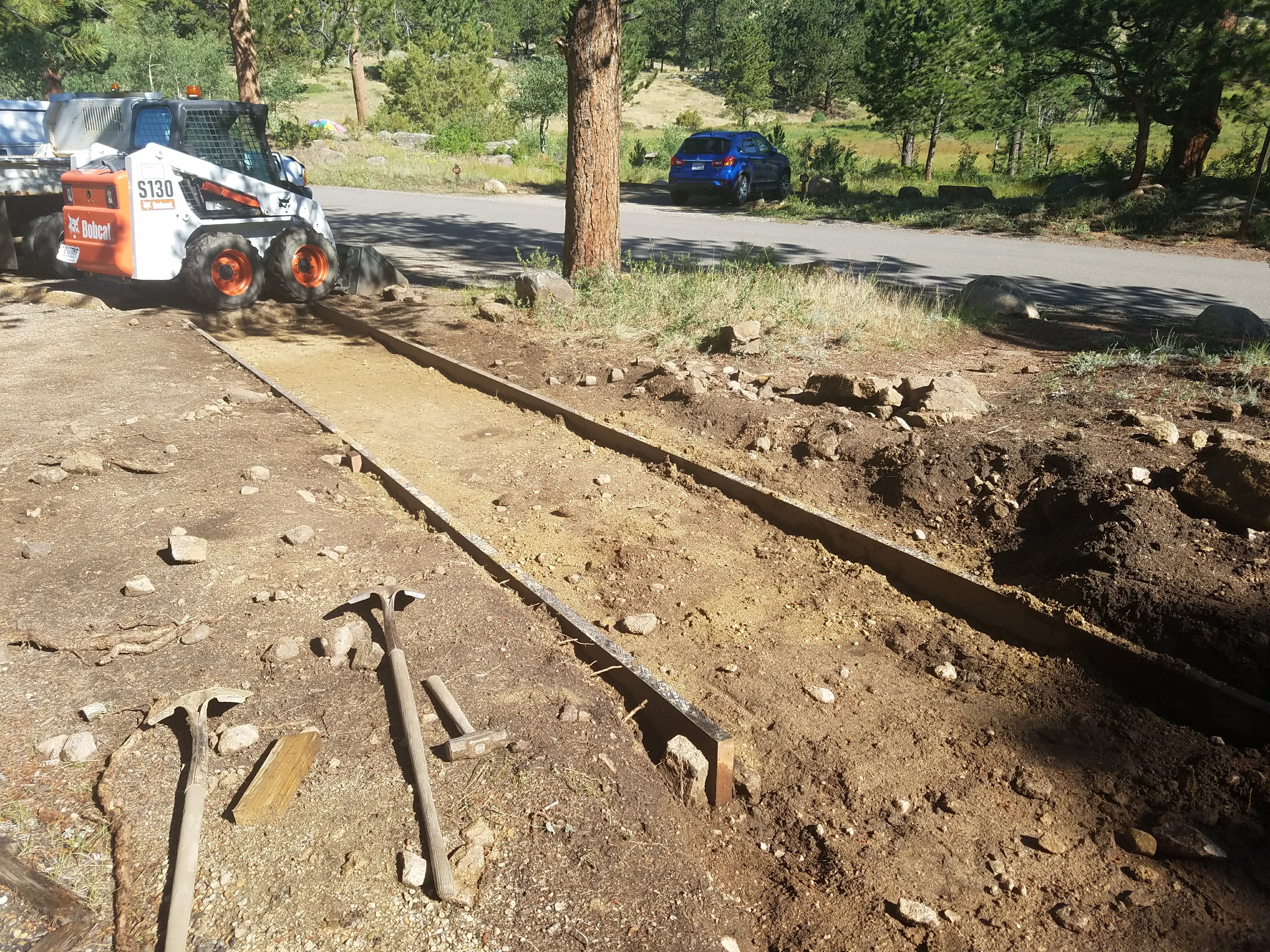
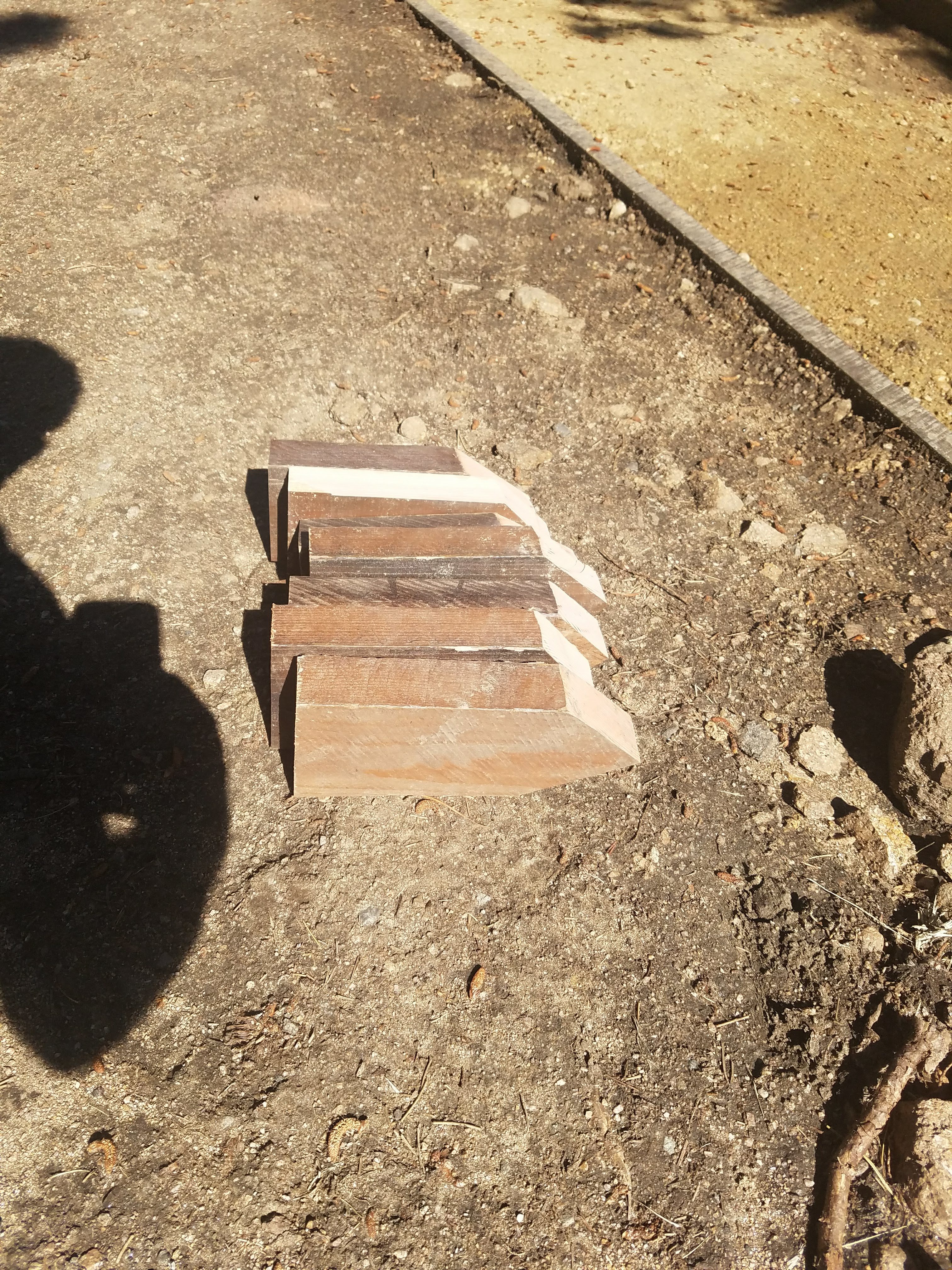
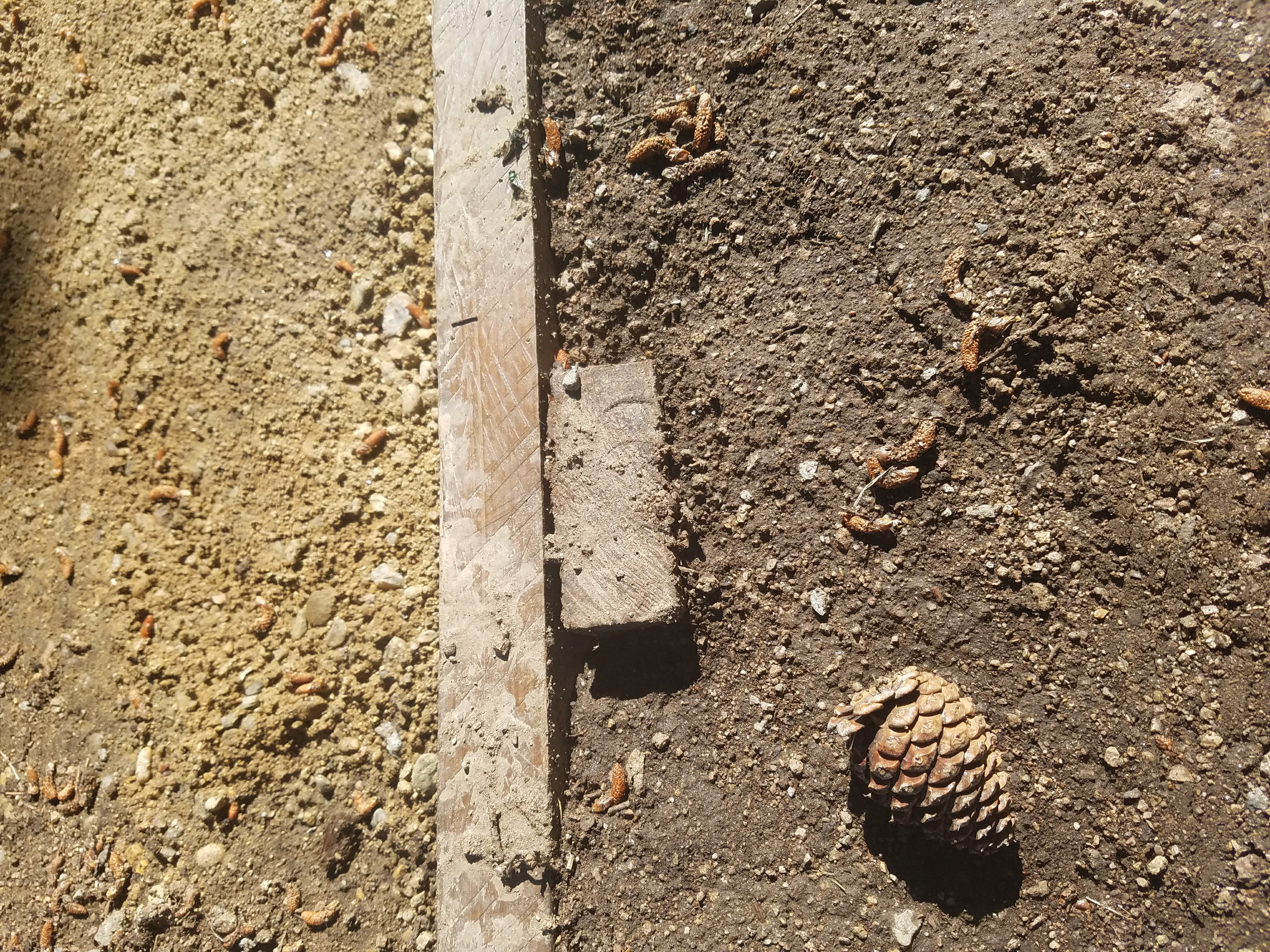
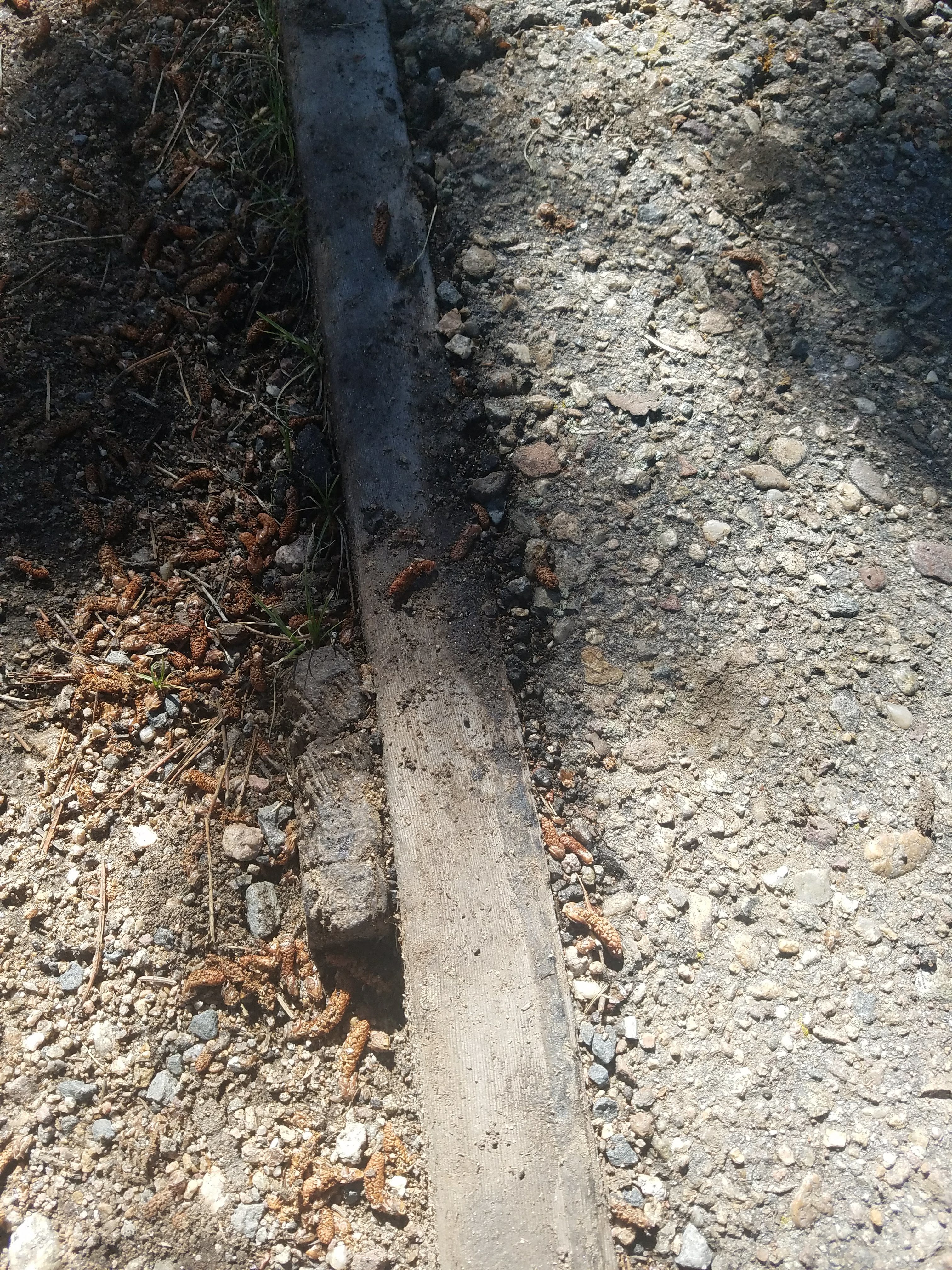
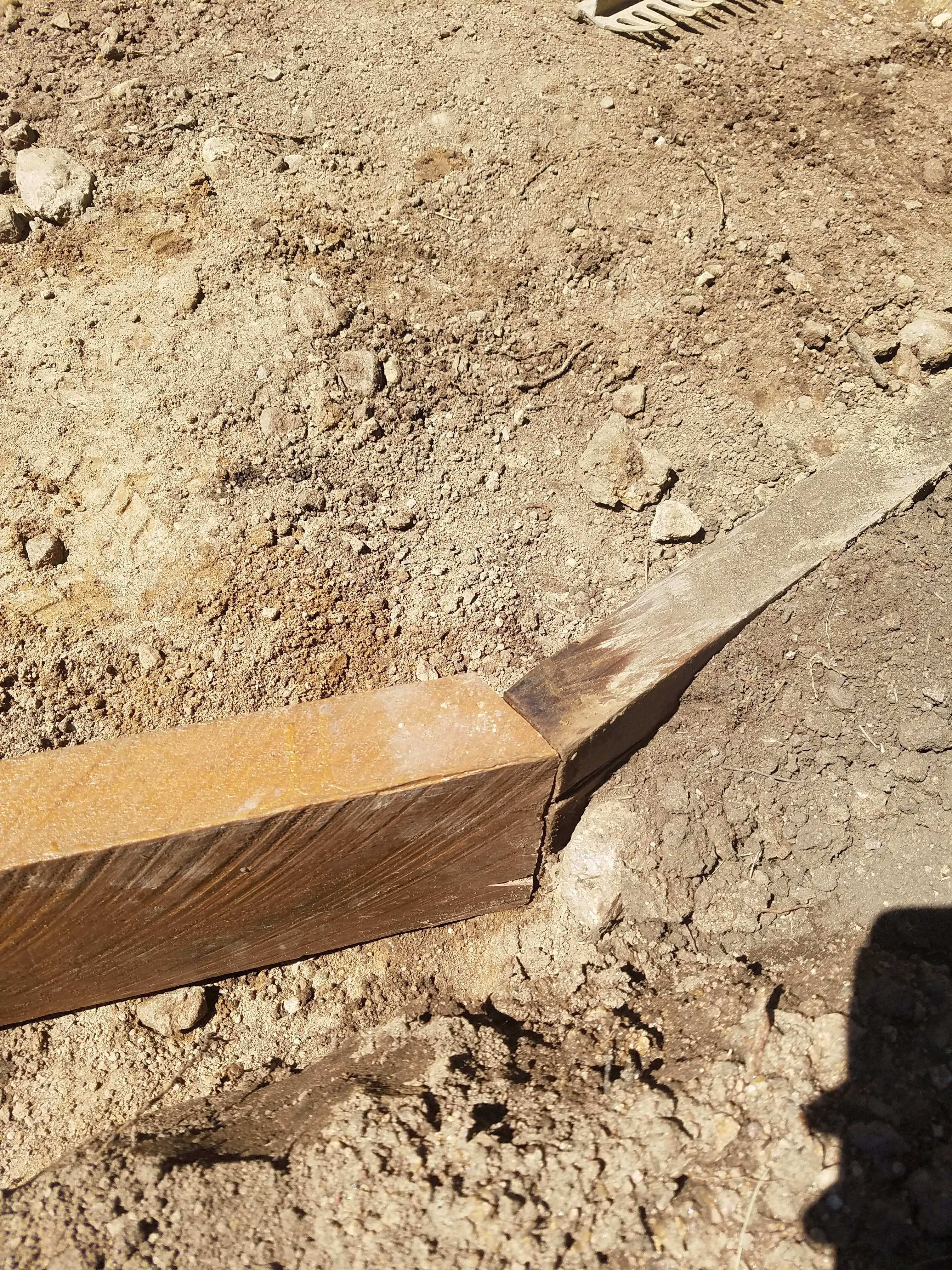
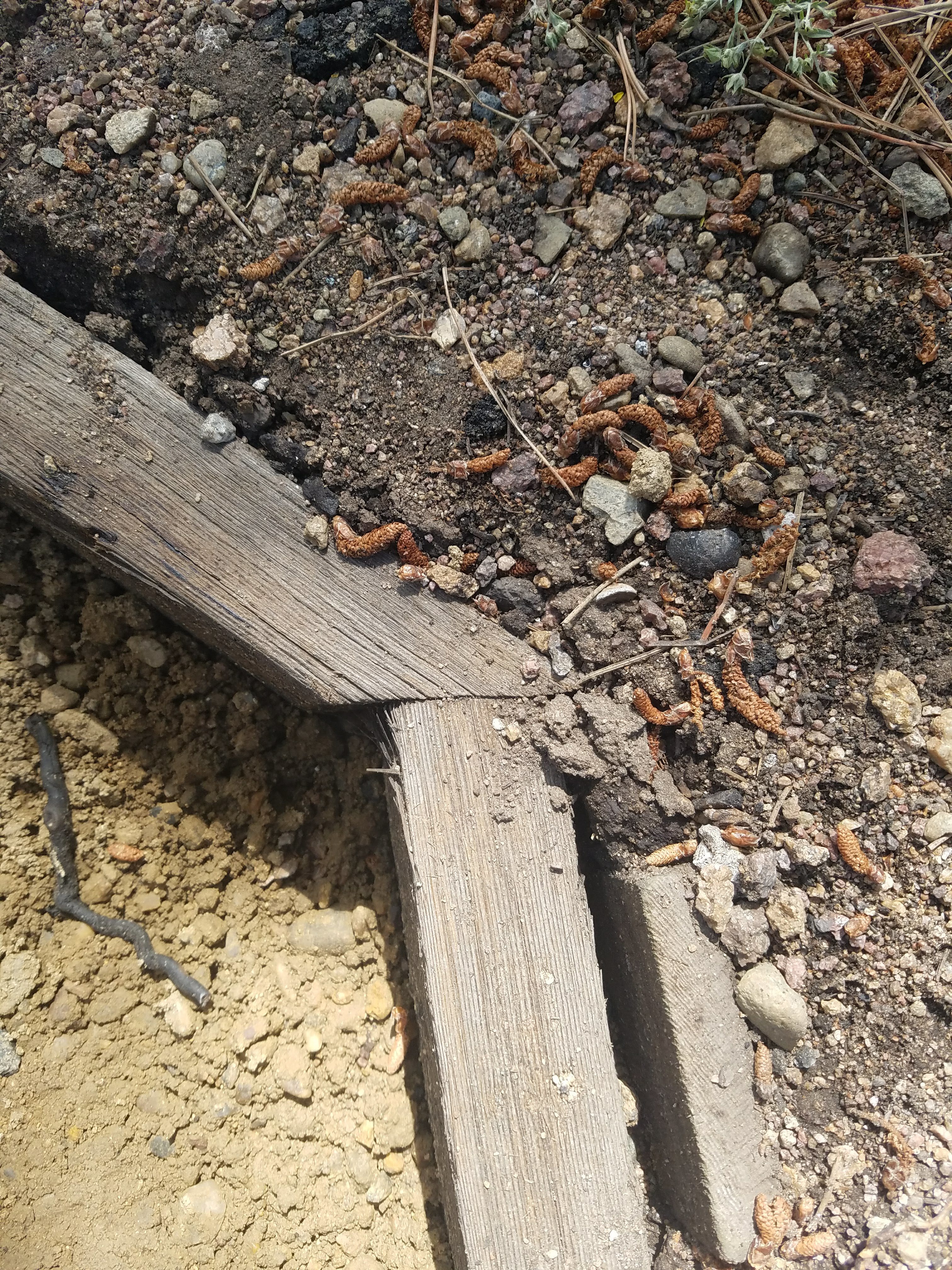
The pathway we worked on was intended to improve wheelchair access to the comfort station, since the existing entryway was too steep. The new path had to aesthetically match that of the older section, so we used very similar materials and construction techniques to tighten the resemblance. The preexisting path, which was also apparently built as part of Mission 66, was composed of asphalt and framed on all sides by 2-3 inch thick wooden boards. These boards were reinforced by wooden stakes placed once every several feet. The necessity of these stakes to the overall stability of the trail was questionable, but we still included them in our recreation for completion’s sake. As we carved out the earth and laid down our tracking, we realized that our framing boards varied in width and that their ends did not always perfectly line up with each other. The builders of the original path encountered a similar obstacle and chose to line up the outer edges of their boards while offsetting the inside edges. We conducted the same technique.
This was a physically strenuous but relatively small-scale project. Even though we did not carry out any modifications to the Mission 66 station itself, I appreciated the attention to detail given to recreating its entry path. Even something as innocuous as an asphalt trail was treated with seriousness, and every obstacle was addressed with the consideration of how the original builders would have handled it.